
House of the Dragon Season 3 Mistakes: 4 Book Changes That Hurt
The dust has barely settled over the Gullet. Ships still burn on the water, dragons lie broken across the waves, and Rhaenyra Targaryen’s war for the Iron Throne has claimed its bloodiest toll yet.
The Battle of the Gullet was always going to be a spectacle. And on that front, the House of the Dragon season 3 premiere delivers. The visual effects are stunning, the dragon combat is visceral, and the sheer scale of the carnage earns the show a series-high IMDb score.
But beneath that gorgeous production sits a script that keeps fumbling its source material. The list of House of the Dragon season 3 mistakes is growing, and most of them trace back to the same problem: needless deviation from George R.R. Martin’s Fire & Blood.
Let’s break down the four biggest House of the Dragon book changes that already threaten the show’s long-term storytelling.
House of the Dragon Season 3 Mistakes Explained
Adaptation requires compromise. No one expects a frame-by-frame retelling of the book.
The problem isn’t change itself. It’s change that weakens character arcs, removes future payoffs, and recycles plot devices the show has already used.
These four decisions stand out as the most damaging.
Mistake 1: Cutting Nettles and Handing Her Arc to Rhaena Targaryen
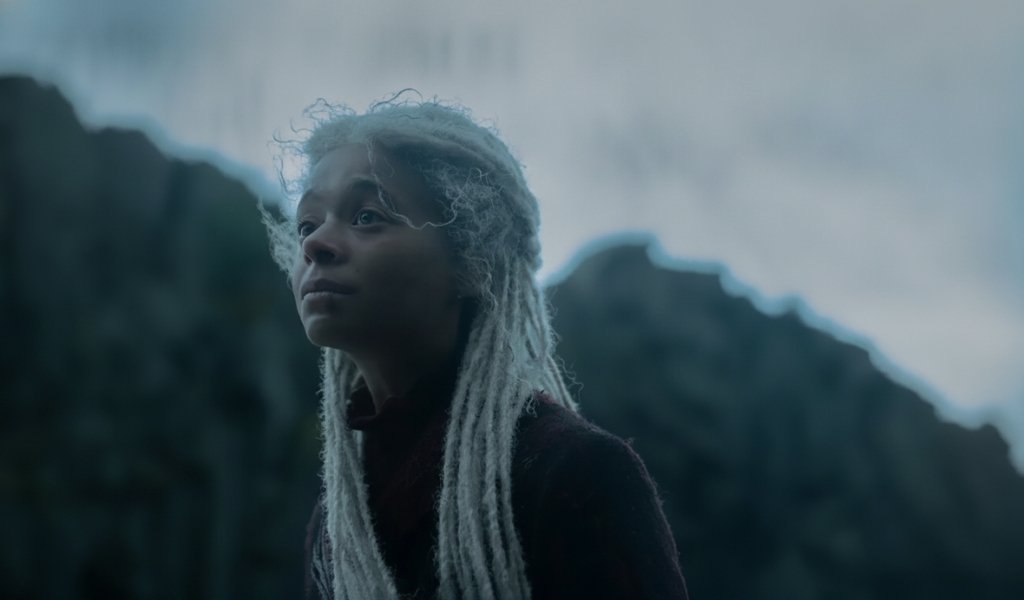
The most controversial House of the Dragon book change is the removal of Nettles. In Fire & Blood, Nettles is a lowborn girl who tames the wild dragon Sheepstealer by feeding him a slaughtered sheep each morning.
Her story is one of the most beloved in the book. She represents the idea that Targaryen blood isn’t required to bond with a dragon a quietly radical theme in Martin’s lore.
The show has cut her entirely and reassigned her dragon-taming arc to Rhaena Targaryen. On paper, giving Rhaena something to do sounds reasonable. In practice, it backfires.
Showrunner Ryan Condal has confirmed the swap, but the execution undercuts both characters. Worse, Rhaena reportedly loses control of Sheepstealer, which guts the entire point of the original story.
Nettles succeeds through patience and cunning. Stripping that triumph away dilutes the symbolism of Morning, the dragon Rhaena is destined to claim in the books. Her real arc was supposed to be about earning a dragon of her own not failing with someone else’s.
Mistake 2: Removing Aegon and Viserys From the Battle of the Gullet
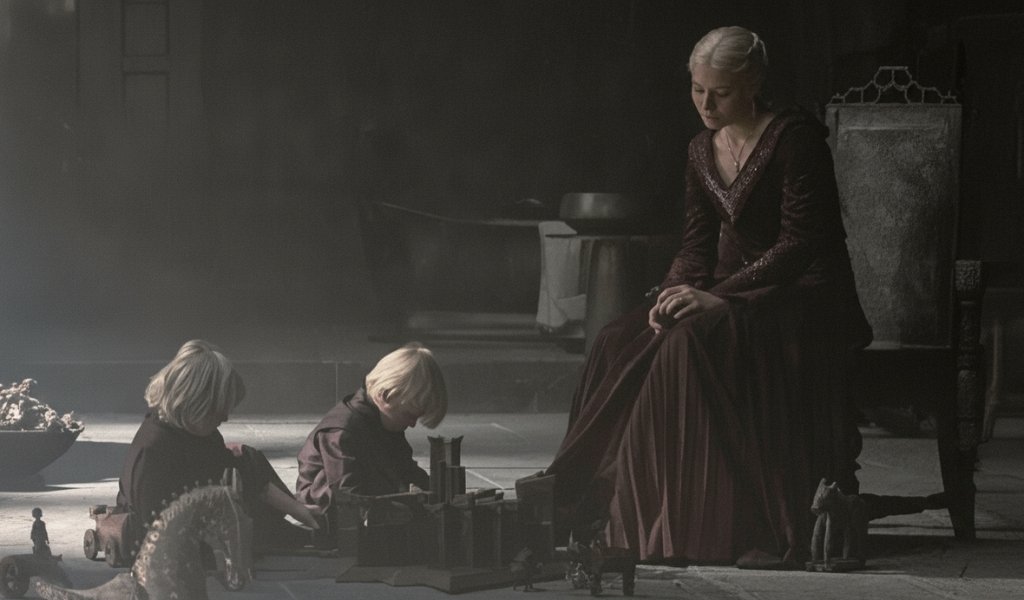
In Fire & Blood, Rhaenyra’s two youngest sons, Aegon the Younger and Viserys, are aboard the ships during the Battle of the Gullet. The show cut them from the sequence entirely.
Ryan Condal has assured fans the writers “haven’t forgotten” about the boys. But hiding them here creates a real problem down the line.
In the book, young Viserys is captured at sea and sold into captivity in Lys. There, he eventually marries Larra Rogare, a noblewoman of a powerful Lysene family.
That marriage matters. Their union produces the bloodline that leads directly to Aegon IV one of the most consequential and disastrous kings in Targaryen history.
By keeping the princes off the boats, the show risks tangling the very lineage that fuels centuries of future conflict. A “fix it later” approach rarely works when the timeline depends on these specific events happening now.
Mistake 3: The Pointless, Accidental Death of Jacaerys Velaryon
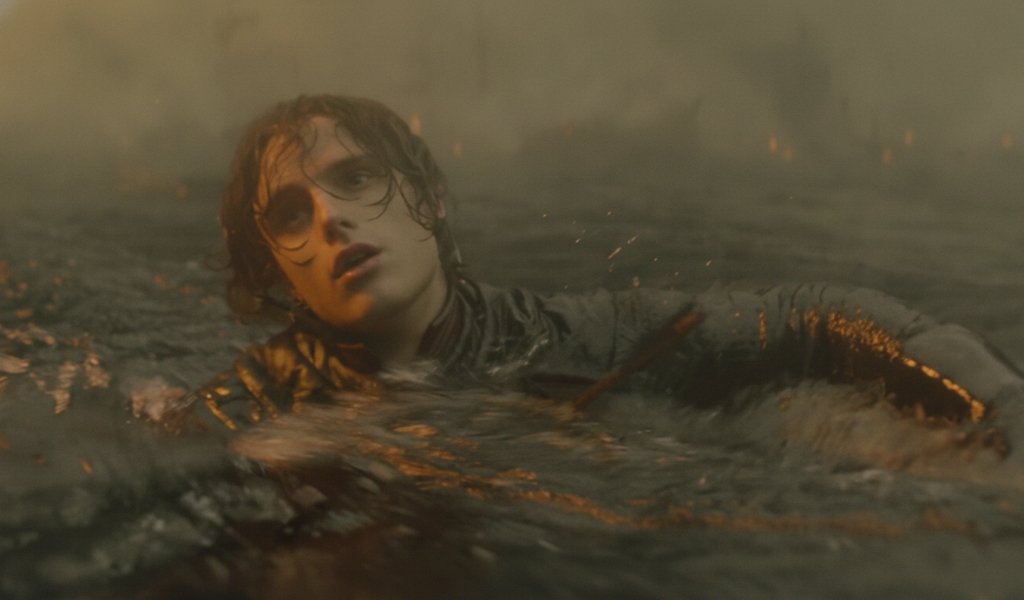
Jacaerys Velaryon, Rhaenyra’s heir, dies in the Battle of the Gullet in both the book and the show. The how is where the adaptation stumbles.
In Fire & Blood, Jace dies fighting shot down during the chaos of battle while trying to turn the tide. It’s a heroic, tragic end fitting for the crown prince.
The show instead kills him through a dragon-control accident. His mount panics, and Jace loses command at the worst possible moment.
The trouble is that House of the Dragon has leaned on this exact device before. Uncontrolled dragons causing catastrophe is becoming the show’s go-to tragedy generator.
When Harry Collett, the actor behind Jace, asked to do “one epic thing” in his final episode, it speaks to a sense that the character deserved a grander exit. A repetitive, accidental death robs a major heir of a meaningful sendoff and makes the world’s dragons feel less like weapons and more like a recurring plot convenience.
Mistake 4: Rhaenyra’s Naïve Trust in Alicent Hightower
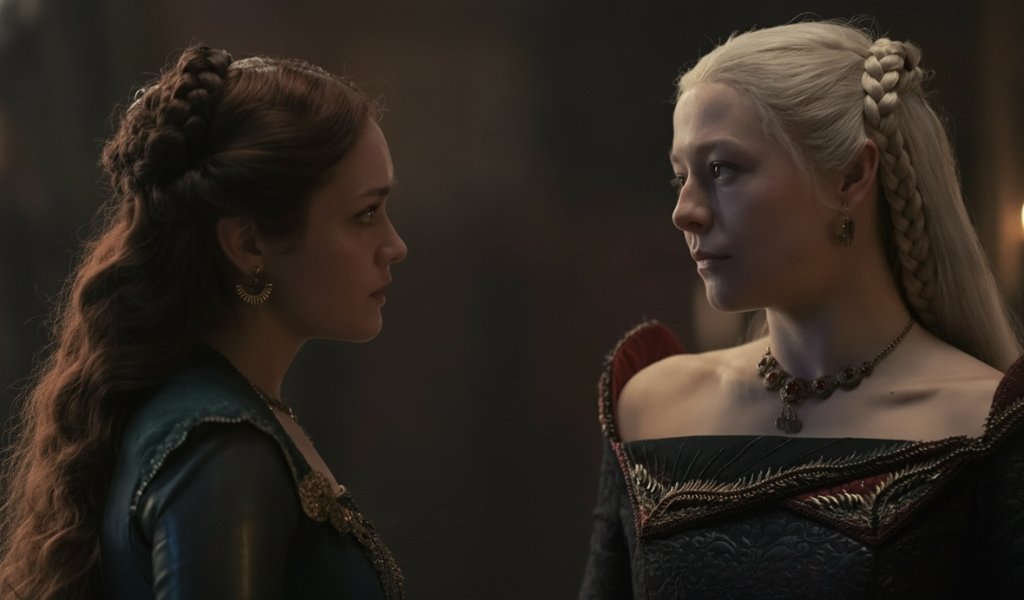
The premiere also leans hard into the relationship between Rhaenyra Targaryen and Alicent Hightower. By this point in the war, that closeness strains belief.
The Gullet has just turned the sea red. Rhaenyra has lost a son. Her enemies have murdered her children and seized her birthright.
Yet the show continues to frame her as willing to extend trust toward Alicent, the woman at the heart of the opposing faction. That softness reads less like nuance and more like a character downgrade.
The Rhaenyra of Fire & Blood hardens into a ruthless, paranoid queen as the Dance grinds on. Keeping her sentimental toward Alicent at this stage weakens her credibility as a wartime ruler.
A queen who keeps trusting the mother of her enemies isn’t tragic she’s careless. That’s a hard sell after everything the Greens have done.
Why Ignoring the Regency Aftermath Weakens the Show’s Finale
Each of these House of the Dragon season 3 mistakes points to a bigger structural risk: the show keeps trimming the connective tissue that Fire & Blood‘s ending depends on.
The Dance of the Dragons doesn’t simply stop when the fighting ends. The book devotes serious attention to the messy aftermath the regency of the young king, the rise of the Lysene influence, and the political fallout that shapes Westeros for generations.
The captivity of young Viserys in Lys and his marriage to Larra Rogare belong to this post-war chapter. So does the slow, bitter rebuilding that gives the war its weight.
Skip too much of that, and season 4 loses its landing. A satisfying finale needs more than a final battle it needs consequences that feel earned.
By cutting characters like Nettles, hiding the young princes, and softening Rhaenyra, the writers chip away at the foundations the ending is built on. The danger isn’t one bad episode. It’s a season that quietly removes the setup the climax requires.
Final Verdict: Great Television That Needs to Trust the Source
None of this means House of the Dragon has failed. The premiere is gorgeous, brutally entertaining, and confident in its scale. The cast remains exceptional, and the production design is among the best on television.
The frustration comes from watching a great show make avoidable choices. Strong VFX can’t paper over a script that keeps loosening its grip on George R.R. Martin’s lore.
The fixes here aren’t complicated. Trust the source material. Let Nettles tame Sheepstealer. Put the princes on the boats. Give Jace a death worthy of an heir. And let Rhaenyra grow as cold as the war demands.
House of the Dragon earned its crown by respecting the story that built it. To keep that crown through its finale, it needs to remember where the real power lies in the books.
Frequently Asked Questions
What are the biggest House of the Dragon season 3 mistakes?
The four most criticized changes are cutting Nettles and reassigning Sheepstealer to Rhaena Targaryen, removing Aegon and Viserys from the Battle of the Gullet, killing Jacaerys Velaryon via a dragon-control accident, and keeping Rhaenyra overly trusting of Alicent Hightower.
Why did House of the Dragon cut Nettles?
Showrunner Ryan Condal confirmed Nettles’ dragon-taming arc was given to Rhaena Targaryen. The change consolidates storylines, but it undercuts the symbolism of Rhaena’s book Dragon, Morning, and the theme that non-Targaryens can bond with dragons.
Does removing Aegon and Viserys from the Gullet cause problems?
Potentially, yes. In Fire & Blood, young Viserys is captured and sold to Lys, where he marries Larra Rogare. That marriage feeds the bloodline leading to Aegon IV, so altering this event risks the future Targaryen lineage.
Is House of the Dragon still worth watching?
Absolutely. Despite these criticisms, the season 3 premiere earned a series-high IMDb score thanks to outstanding visual effects, strong performances, and the spectacle of the Battle of the Gullet.