
More Wild Dragons Coming to House of the Dragon, Hints Ryan Condal
Ryan Condal has heavily hinted that more wild dragons are coming to House of the Dragon. For fans of George R.R. Martin’s Fire & Blood, that statement landed like a dragon egg dropping into a volcano. For everyone else? It’s a signal that Season 3 and beyond are about to get a lot more unpredictable.
Here’s the thing about wild dragons: they don’t follow rules. They don’t obey riders. They answer to no one and that’s precisely what makes them so dangerous to assume anything about. Condal has been deliberately cryptic in interviews, warning fans not to get too comfortable with their expectations. If you’ve read Fire & Blood, you know exactly why that warning carries weight. If you haven’t, buckle up.
This post breaks down who Grey Ghost and The Cannibal actually are, what the books reveal about their fates, and why one particular lore moment Grey Ghost’s confrontation with Sunfyre could reshape how the show handles dragon warfare entirely.
Understanding the Wild Dragons in House of the Dragon
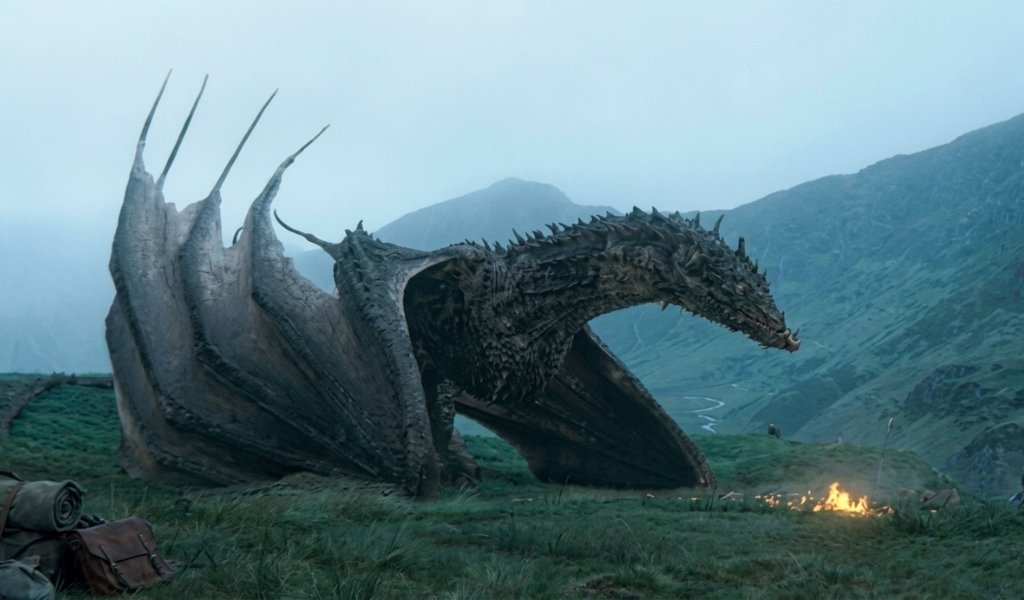
Wild dragons are dragons that have never been claimed by a rider. They roam, hunt, and exist entirely on their own terms. During the Dance of the Dragons, the Targaryen civil war at the center of House of the Dragon, several wild dragons lived on Dragonstone, and the Blacks attempted to claim them as part of their war effort.
Three wild dragons were unclaimed at this point in the story: Sheepstealer, Grey Ghost, and The Cannibal.
Who Is Grey Ghost?
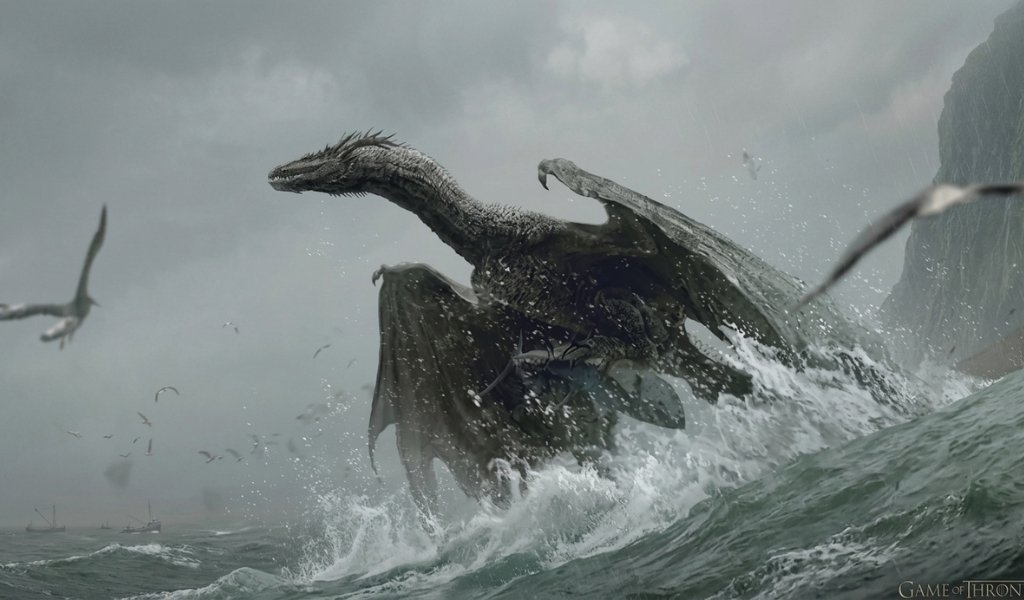
Grey Ghost was a pale, silver-grey dragon reclusive, shy, and deeply averse to human contact. Unlike the other wild dragons, Grey Ghost actively avoided conflict. He fed primarily on fish from the sea and rarely came inland, making him one of the most elusive dragons in Westeros.
His temperament made him nearly impossible to claim. He wasn’t aggressive; he simply wanted nothing to do with people. Grey Ghost is the kind of dragon that feels almost tragic: enormous power wrapped in total indifference to the war consuming his world.
Who Is The Cannibal?
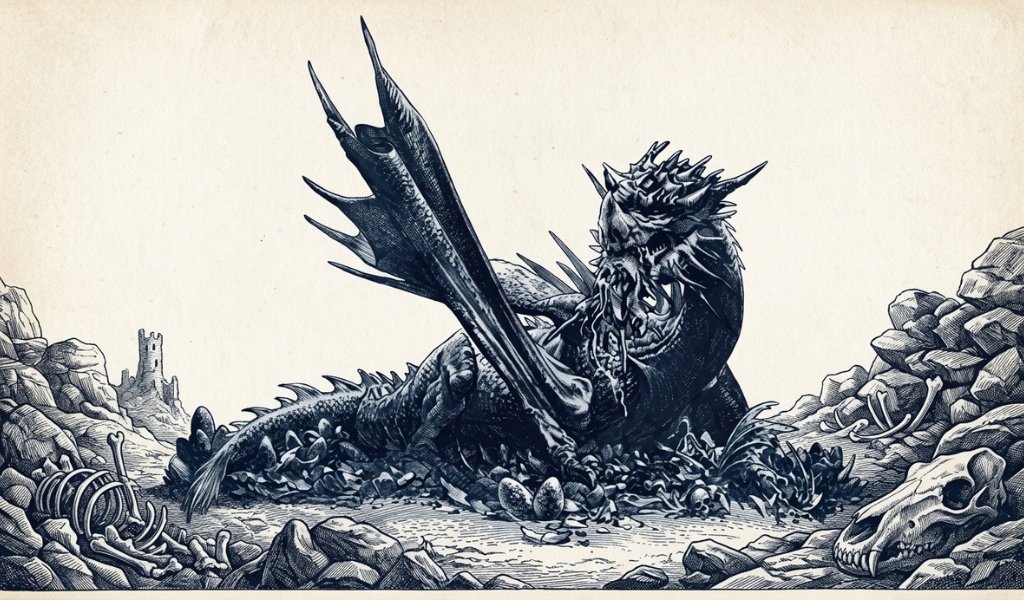
The Cannibal is something else entirely. Described in Fire & Blood as the most fearsome of the wild dragons, The Cannibal earned his name by feeding on other dragons their eggs, their hatchlings, and occasionally the dragons themselves. He was enormous, ancient, and completely untamable.
No dragonlord ever successfully claimed The Cannibal. Every attempt ended in failure or death. He is one of the oldest living dragons in the known world during the Dance, and his sheer size and savagery set him apart from every other dragon in the conflict.
What makes The Cannibal so compelling for the show is that he operates outside every faction’s control. He has no allegiance. He’s a variable no one can plan around.
The Secret Fate of Grey Ghost: The Grey Ghost vs Sunfyre Twist
Here’s where Fire & Blood delivers one of its most shocking moments and where the Ryan Condal wild dragons interview hints become genuinely alarming for those paying attention.
What Happens to the Grey Ghost in the Books?
Grey Ghost is killed not in battle, not by dragonslayers, but by Sunfyre.
Sunfyre, the golden dragon ridden by King Aegon II Targaryen, had secretly retreated to Dragonstone to hide and recover from his severe injuries. While the realm largely considered him out of the fight, the wounded dragon was quietly gathering his strength on the island alongside Aegon. Then, in one of Fire & Blood‘s most unexpected turns, Sunfyre hunted and killed Grey Ghost.
This matters for two reasons. First, it confirms that Sunfyre, a dragon many assumed was done, is still very much alive and dangerous. Second, it reframes Sunfyre’s presence on Dragonstone as an active threat, not a wounded relic.
Is Sunfyre Still Alive in House of the Dragon?
For show-only viewers wondering whether Sunfyre is still alive in House of the Dragon: yes, as of the books, Sunfyre survives well beyond what most expect. He is scarred, partially crippled, and deeply diminished compared to his prime but very much alive. His arc in Fire & Blood takes several more dark turns before its conclusion.
The Grey Ghost vs Sunfyre encounter redefines what “wounded” means in this story. A dragon doesn’t have to be whole to be lethal.
How Wild Dragons Reshape the Show’s Story
So what does all of this mean for House of the Dragon Seasons 3 and 4?
The Baela Targaryen and Moondancer Connection
One of the most significant consequences of Grey Ghost’s death in the books is what it sets up for Baela Targaryen and her dragon Moondancer. Without getting too deep into spoiler territory for show-only viewers, Sunfyre’s survival and continued activity on Dragonstone directly intersects with Baela’s storyline in ways that are genuinely devastating.
The show has already established Baela as one of its most compelling young characters. Her bond with Moondancer is real, fierce, and hard-won. What the books suggest is coming for them is the kind of plot development that makes the Dance of the Dragons so brutal to read and presumably, even harder to watch.
Dragon Warfare Is No Longer Predictable
Ryan Condal’s comments about wild dragons aren’t just lore-flavored hype. They signal a structural shift in how the show approaches dragon conflict. In Season 1 and early Season 2, dragon battles felt somewhat binary: two riders, two dragons, a decisive outcome. Wild dragons break that entirely.
Grey Ghost and The Cannibal introduce variables that neither the Blacks nor the Greens can control. Consider what that means in practical terms:
- The Cannibal could attack any dragon, ridden or not, at any moment.
- Grey Ghost’s death by Sunfyre proves that off-screen threats are still very much on the board.
- Sheepstealer, the third wild dragon, has already been introduced in Season 3, confirming that characters are actively tracking and discussing these untamed beasts.
The Dance of the Dragons isn’t just a war between two queens. Wild dragons remind us it’s a war inside a world that doesn’t care about human politics at all.
What to Expect from House of the Dragon Season 3 and Beyond
The confirmation that more wild dragons are coming to House of the Dragon is one of the most exciting creative signals the show has sent. Condal’s careful, measured way of discussing them suggests the writers understand exactly what these dragons represent, not spectacle, but consequence.
Grey Ghost’s story is a tragedy built on avoidance. He wanted nothing to do with the war, and the war found him anyway. The Cannibal is chaos incarnate, a force the story can deploy at any moment to remind audiences that nothing is safe. And Sunfyre, still alive, still hunting, is a ghost story that hasn’t finished being told yet.
For Fire & Blood readers, the path ahead is already heartbreaking. For show-only viewers, Condal’s advice is worth heeding: don’t assume anything. Wild dragons don’t negotiate, don’t warn, and don’t wait.
The Dance of the Dragons is about to get wilder.
Frequently Asked Questions
Are Grey Ghost and The Cannibal confirmed for House of the Dragon?
While Ryan Condal hasn’t definitively confirmed their appearance, he strongly teased that more dragon cards are yet to be turned over, leaving the door wide open for Grey Ghost and The Cannibal to descend on the series.
What is the difference between Grey Ghost and The Cannibal?
Grey Ghost was a reclusive, fish-eating dragon that avoided conflict. The Cannibal was an enormous, ancient, and aggressive wild dragon that killed and ate other dragons. Their temperaments are completely opposite.