
Harrenhal History: Everything We Know About Westeros’ Cursed Castle
No castle in Westeros carries as much weight or as much dread as Harrenhal. The largest fortress ever built in the Seven Kingdoms, it was constructed to project dominance and endure for centuries. Instead, it became a smoldering monument to what happens when ambition outruns wisdom. From the ashes of Aegon’s Conquest to the blood-soaked politics of the Dance of the Dragons, Harrenhal history is inseparable from the broader story of Westeros itself.
George R. R. Martin first introduced the castle in A Song of Ice and Fire, and it has since appeared in Fire and Blood, Game of Thrones, and House of the Dragon. Each portrayal adds another layer to its legendary military stronghold, political prize, cursed ruin. Whether you’re rewatching House of the Dragon, rereading the books, or simply trying to piece together the castle’s dark past, this guide covers everything we know about Harrenhal from its construction to its crumbling present.
The Origin and Construction of Harrenhal
Harrenhal was the life’s work of Harren the Black, King of the Isles and the Rivers. Construction began decades before Aegon’s Conquest, driven by Harren’s obsessive desire to build something the world had never seen a castle so massive, so impenetrable, that no force in Westeros could ever bring it down. According to the books, the project consumed forty years and entire generations of laborers. Legends claim that human blood was mixed into the mortar, and that Harren tore down sacred weirwood trees to clear the land, angering the old gods in the process.
The result was staggering. Five enormous towers rose above walls as thick as cliffsides. The castle’s footprint dwarfed Winterfell three times over. Its Hall of a Hundred Hearths, the largest single chamber in Westeros could shelter an entire army. Stables for a thousand horses, kitchens the size of a great hall, a godswood spanning twenty acres. By any measure, Harrenhal was a marvel of construction.
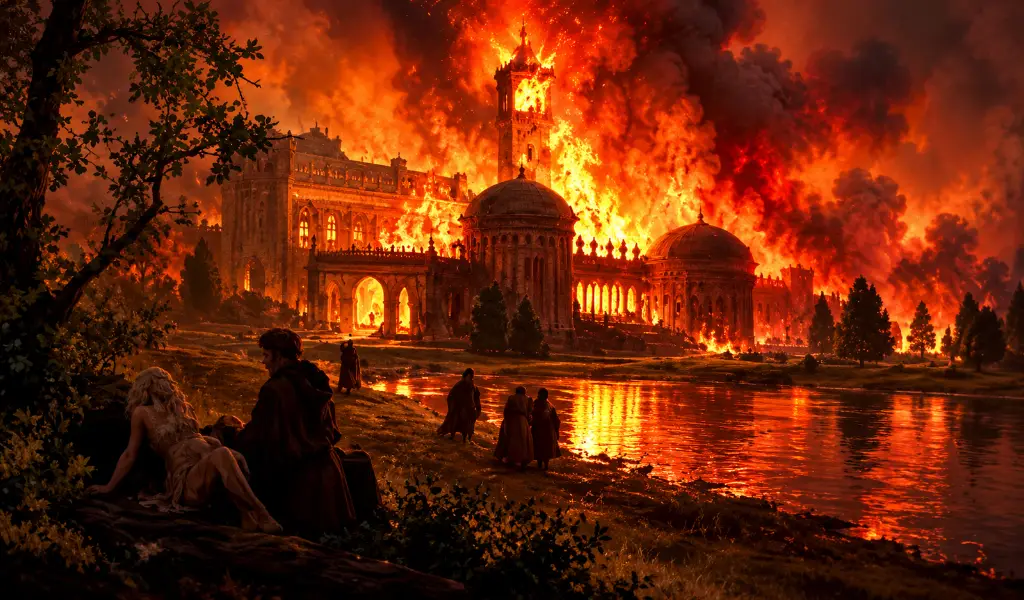
But Harren never got to enjoy it. The day he completed the castle was the same year Aegon Targaryen and his sisters landed at Dragonstone. Aegon’s dragon, Balerion the Black Dread the largest dragon in recorded history descended on Harrenhal and turned its towers into kilns. The stone melted. The towers warped and twisted. Harren and his sons burned alive inside the walls they believed would protect them. As Old Nan tells it in Game of Thrones: “King Harren learned that thick walls and high towers are of small use against dragons. For dragons fly.”
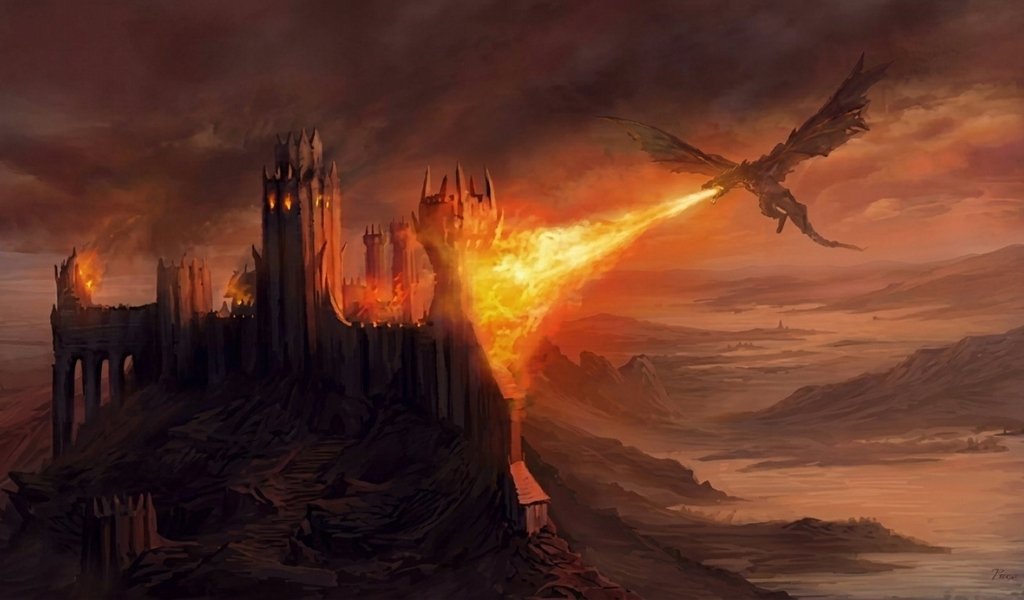
The castle survived, barely but it was never the same. Its towers, now permanently bent and misshapen by the heat, were renamed the Tower of Dread, Widow’s Tower, Wailing Tower, Tower of Ghosts, and Kingspyre Tower. Their original names were lost to fire and time.
The Curse of Harrenhal: A Grim Legacy of Ruin
After Harren’s death, the castle passed to a succession of noble houses. Every single one of them met a catastrophic end.
House Qoherys took the castle first, granted it by Aegon as a reward for loyalty. They were wiped out within a generation. House Harroway came next destroyed by Maegor the Cruel after political betrayal. House Towers followed, gone within years. Queen Rhaena Targaryen, the widow of Aegon’s son, lived at Harrenhal briefly during the reign of Jaehaerys I. She died within its walls.
Then came House Strong. Lyonel Strong served as Lord of Harrenhal and Hand of the King under Viserys I. His story and his family’s ended in fire, the same element that had claimed Harren centuries before. His son Larys Strong, the scheming “Clubfoot,” secretly orchestrated a blaze that killed Lyonel and Harwin Strong inside the castle.Years later, after the Dance of the Dragons concluded, Larys was eventually executed during the reign of Aegon III, bringing House Strong to an extinct end. House Strong: extinct.
Petyr Baelish, Lord Littlefinger, was granted Harrenhal as a political reward in Game of Thrones. He never truly held it, and he eventually died on the floor of the Eyrie, friendless and undone.
The pattern is hard to dismiss. Every house that claimed Harrenhal whether through inheritance, reward, or conquest faced ruin. Larys Strong himself tried to explain it away when questioned by Queen Alicent Hightower: “It was built in hubris by Harren the Black as a monument to his own greatness. Blood mixed into the mortar. It is said to be a cursed place. That it passes judgment on all who pass beneath its gates.” Whether you read that as superstition or foreshadowing, the results speak for themselves.
Harrenhal in Game of Thrones and House of the Dragon
House of the Dragon: Councils, Fire, and Daemon’s Gambit
Harrenhal makes its first appearance in House of the Dragon during the Great Council of 101 AC, a pivotal event that shapes the entire series. Jaehaerys I Targaryen, growing frail and needing to settle the matter of succession, summoned lords from across the realm to Harrenhal. The council chose Viserys Targaryen Jaehaerys’s grandson over Rhaenys Targaryen, setting the precedent that would later tear the realm apart.
Decades later, with civil war on the horizon, Larys Strong’s fire at Harrenhal became one of the Dance of the Dragons’ most chilling acts of treachery. The blaze claimed both Lyonel and Harwin Strong. When Queen Alicent pressed Larys on his family’s deaths, he deflected with talk of Harrenhal’s curse cold, deliberate misdirection from a man who had orchestrated the whole thing.
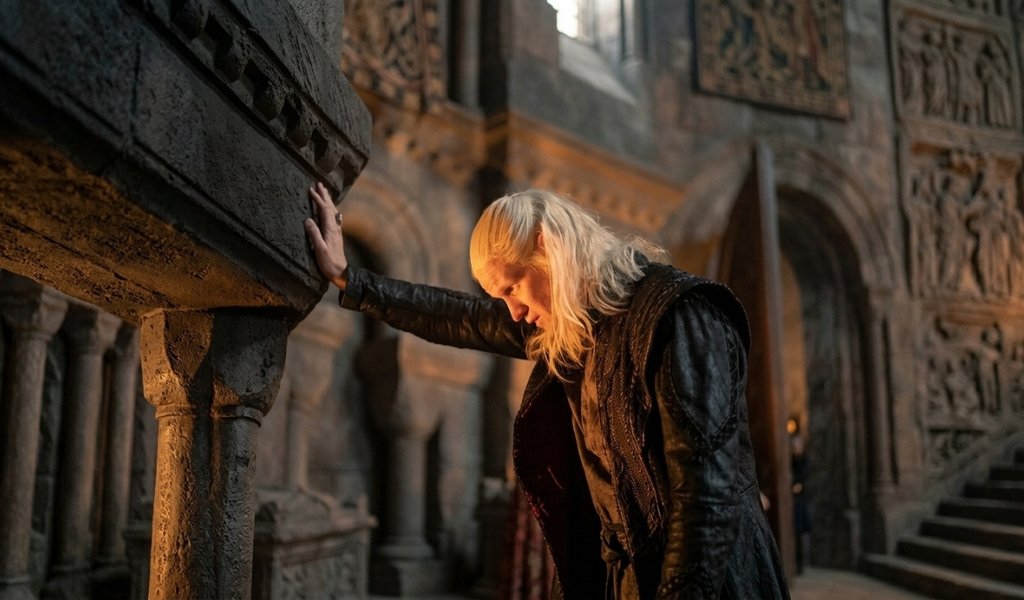
When the Dance of the Dragons erupted in earnest, Prince Daemon Targaryen recognized Harrenhal’s strategic value immediately. He rode Caraxes through a violent storm and landed atop Kingspyre Tower, claiming the castle for the Blacks, the faction supporting Queen Rhaenyra. The castellan, Ser Simon Strong, offered no resistance and bent the knee. Daemon ordered repairs, commanded Simon to rally Riverlords loyal to their cause, and began consolidating the castle as a base for operations against King’s Landing.
His nights at Harrenhal were not peaceful. A mysterious woman named Alys Rivers appeared to Daemon in the godswood, warning him that he would die at Harrenhal. She told him the castle was cursed that Harren the Black had destroyed ancient weirwood trees during construction, and that their spirits still lingered, haunting those who walked the castle’s halls. Whether prophecy or manipulation, her warning lodged itself deeply in Daemon’s mind. He also executed Willem Blackwood in that same godswood, on the orders of Lord Oscar Tully, another act of violence in a place already soaked in it.
Game of Thrones: Tywin, Arya, and the Bear Pit
By the time the War of the Five Kings begins in Game of Thrones, Harrenhal is a ruin held loosely by House Whent. It changes hands with unsettling frequency which, given the castle’s history, feels entirely appropriate.
Tywin Lannister seized the castle as a strategic base in the Riverlands, using it to anchor his forces against Robb Stark’s campaign. It was under Lannister occupation that Arya Stark, Gendry, and Hot Pie arrived as prisoners in Season 2, forced to witness the Mountain’s brutal interrogation sessions. Arya navigated this nightmare with remarkable composure, eventually becoming Tywin’s cupbearer sitting beside the most powerful man in Westeros, while quietly plotting her escape. She ultimately got out with the help of Jaqen H’ghar.
After Tywin departed to face Robb Stark, Harrenhal shuffled through several more keepers. Joffrey granted it to Janos Slynt, then later to Littlefinger as payment for helping secure the Lannister-Tyrell alliance after the Battle of the Blackwater. Neither man ever controlled it in any meaningful sense.
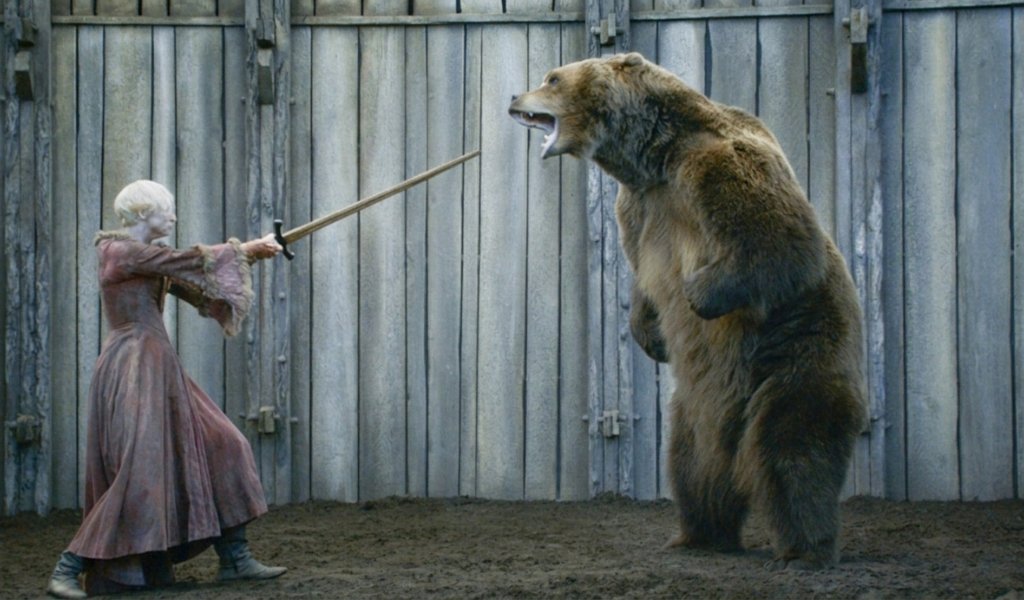
Season 3 brought Jaime Lannister to Harrenhal as a prisoner, escorted by Brienne of Tarth. Roose Bolton held the castle by then, and it was here that Jaime negotiated his own release. Brienne wasn’t as fortunate Locke, Bolton’s man, threw her into the castle’s infamous bear pit, a stone enclosure measuring ten yards across and five yards deep, surrounded by six tiers of marble benches. Jaime, already freed, turned back to save her. The image of him dropping into the bear pit, one-handed and unarmed, is one of the series’ more unexpectedly heroic moments.
By Season 4, both Roose Bolton and Locke had abandoned Harrenhal. The castle fell leaderless again. After Littlefinger’s execution in Season 7, the last nominal lord of Harrenhal was gone, and the fortress returned to what it had always been an enormous, desolate ruin without a master.
Book vs. Show Differences: What Fire & Blood Details About the Fortress
Readers of A Song of Ice and Fire and Fire and Blood encounter a version of Harrenhal that feels more textured and more oppressive than what appears on screen.
The castle’s scale is emphasized repeatedly in the books. Harrenhal sat on the north shore of the Gods Eye lake and could be seen for miles. Its walls were so tall and thick that the tower tops became invisible from ground level. The Hall of a Hundred Hearths, with its slate floors and surrounding galleries, is described as the largest enclosed space in all of Westeros capable of housing an entire army under one roof.
The five towers Kingspyre Tower, Wailing Tower, Widow’s Tower, Tower of Dread, and Tower of Ghosts each carry names reflecting the castle’s history of grief and horror. Their original names were burned away along with Harren’s dynasty. Many in the books believe the towers are haunted by fiery spirits, remnants of those who died screaming inside the stone when Balerion’s flames turned the walls into ovens.
The godswood receives particular attention. Its weirwood heart tree bears scars from the Battle Above the Gods Eye, the aerial clash between Caraxes and Vhagar and reportedly bleeds red each spring. Bats roost in the high towers. Portions of the castle hadn’t been entered in decades. Even at full occupation, most of Harrenhal remained dark, unused, and decaying.
The books also detail the castle’s full roster of doomed owners more explicitly than the show does: House Qoherys, House Harroway, House Towers, House Strong, House Whent, and eventually Petyr Baelish none of them survived the castle’s tenure intact.
Frequently Asked Questions About Harrenhal
Who built Harrenhal, and why?
Harren the Black, King of the Isles and the Rivers, constructed Harrenhal over approximately forty years as a monument to his own power and ambition. He intended it to be the greatest castle in the world. It was completed just as Aegon the Conqueror arrived in Westeros, making Harren’s masterpiece also his tomb.
Why is Harrenhal considered cursed?
Every noble house that has held Harrenhal has faced destruction. Harren the Black and his sons died in the original dragon attack. Houses Qoherys, Harroway, and Towers were each wiped out in turn. House Strong ended with Larys Strong’s execution. House Whent died out. Petyr Baelish, the last lord, was killed in the Vale. The curse is attributed to Harren’s hubris and the atrocities of the castle’s construction including, according to legend, the destruction of sacred weirwood trees and the use of human blood in the mortar.
What are the five towers of Harrenhal?
The five towers are Kingspyre Tower, Wailing Tower, Widow’s Tower, Tower of Dread, and Tower of Ghosts. All five were warped and deformed by Balerion’s dragonfire during Aegon’s Conquest. Their original names have been forgotten.
What role did Harrenhal play in House of the Dragon?
Harrenhal served several key functions in House of the Dragon. It hosted the Great Council of 101 AC, which chose Viserys I as heir to Jaehaerys I. It was also the site of Larys Strong’s fire, which killed his father and brother. During the Dance of the Dragons, Daemon Targaryen claimed it as a base for the Blacks, and it was where he encountered Alys Rivers and her ominous prophecy.
How does Harrenhal appear differently in the books vs. the shows?
The books provide a far more detailed architectural portrait of Harrenhal, its exact measurements, the specific features of each tower, the godswood’s scarred heart tree, the Hall of a Hundred Hearths, and the full list of doomed houses that owned it. The shows condense much of this, focusing on the castle’s visual atmosphere and its role in key plot events.
What happened to Harrenhal after the events of Game of Thrones?
By the end of Game of Thrones, Harrenhal had no lord. Petyr Baelish’s death in Season 7 left the castle without a claimant. Given the track record of every previous owner, perhaps that’s the safest outcome anyone connected to Harrenhal has ever managed.
The Castle That Outlasts Everyone
Harrenhal history is, at its core, a story about the limits of power. Harren the Black built the largest castle in the world and was dead before he slept a single night in it. Every lord who came after him regardless of their cunning, their wealth, or their dragons met a similar fate. The castle endures. The people don’t.
That paradox is what makes Harrenhal one of the most compelling locations in all of Westeros. It isn’t just a backdrop. It’s an argument that ambition without wisdom, and power without respect for what came before, will always find a way to consume itself.
Whether you first encountered it through Arya’s tense days as Tywin’s cupbearer, or through Daemon’s storm-lit arrival on dragonback, or through the pages of Fire and Blood, the fortress leaves a mark. Much like the dragonfire that warped its towers into their permanent, haunted shapes, Harrenhal has a way of staying with you long after you’ve left it behind.