
House of the Dragon Season 3 Episode 6 Book vs Show: Major Fire & Blood Changes Explained
Season 3, Episode 6 of House of the Dragon opens with one of the most faithful book adaptations the series has ever attempted, then spends the rest of its runtime doing something far more creative. For readers of George R.R. Martin’s Fire & Blood, this episode is a fascinating tug-of-war between canon reverence and bold invention. Some change the land with conviction. Others raise questions the show may not have time to answer.
Here is a full breakdown of every major Fire & Blood book vs show difference in Season 3, Episode 6.
The Butcher’s Ball: Criston Cole’s Death and the Fire & Blood Differences
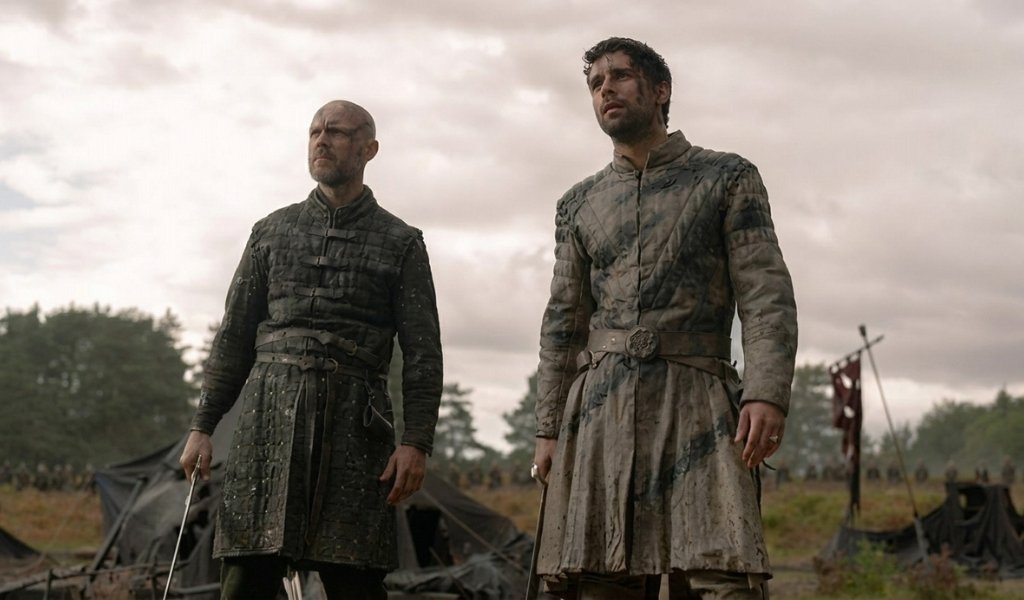
The episode’s opening sequence is the crown jewel of the hour. The Butcher’s Ball, the ambush at Crossed Elms, is lifted almost directly from Martin’s text, and the showrunners execute it with grim precision.
In Fire & Blood, Criston Cole’s outriders stumble across a village commons scattered with the rotting dead from what appears to be a phantom battle. Accustomed to the horrors of war, they ride past without suspicion until the corpses rise. The trap is sprung. The Rivermen and Winter Wolves flood in behind them, and Cole’s diminished host is destroyed.
The show translates this beat almost perfectly. The visual of soldiers feigning death in the mud, then surging upright to cut down Cole’s unsuspecting scouts, is exactly the kind of cinematic shock the source material promises. The swap of obscure book characters Ser Garibald Grey and Pate of Longleaf for the recognizable Ser Oscar Tully (Archie Barnes) is a sensible, clean adaptation choice. The dialogue during the parley is lifted verbatim from the page.
Almost verbatim, that is. One line perhaps the most legendary in the entire Butcher’s Ball sequence is conspicuously absent. In Fire & Blood, Pate of Longleaf delivers a devastating verdict over Cole’s corpse: “I’ll have no songs about how brave you died, Kingmaker. There’s tens o’ thousands dead on your account.” He was speaking to a corpse. It is one of Martin’s most chilling passages, and its omission is a genuine disappointment.
One addition worth noting: it is Black Aly Lady Alysanne Blackwood who fires the first arrow. She has appeared only in glimpses so far, but this moment signals that her role will grow considerably in Season 4.
Harrenhal Mysticism: Aemond Targaryen, Alys Rivers, and the Dragon Eggs
The Aemond and Alys Rivers storyline at Harrenhal is, arguably, the most compelling invention of the entire episode and it diverges significantly from Fire & Blood.
In the book, the relationship between Aemond Targaryen and Alys Rivers is described simply: Aemond took Alys as a bedmate following his conquest of Harrenhal, a spoil of war, with a passing note that the two may or may not have produced a child. That is the sum of it. There is no psychological architecture, no mysticism, no seduction of purpose.
The show builds something far richer. Alys Rivers (Gayle Rankin) convinces the one-eyed prince to remain at Harrenhal by offering him more than physical comfort; she offers him a future. The vehicle for that promise is a clutch of dragon eggs, claimed to have been laid at Harrenhal by Dreamfyre, the dragon of Queen Dowager Rhaena Targaryen. Rhaena did spend over a decade within those cursed walls, making the detail plausible even if it is entirely non-canon.
The kiss between Aemond and Alys carries none of the violence or base desire that the book implies.
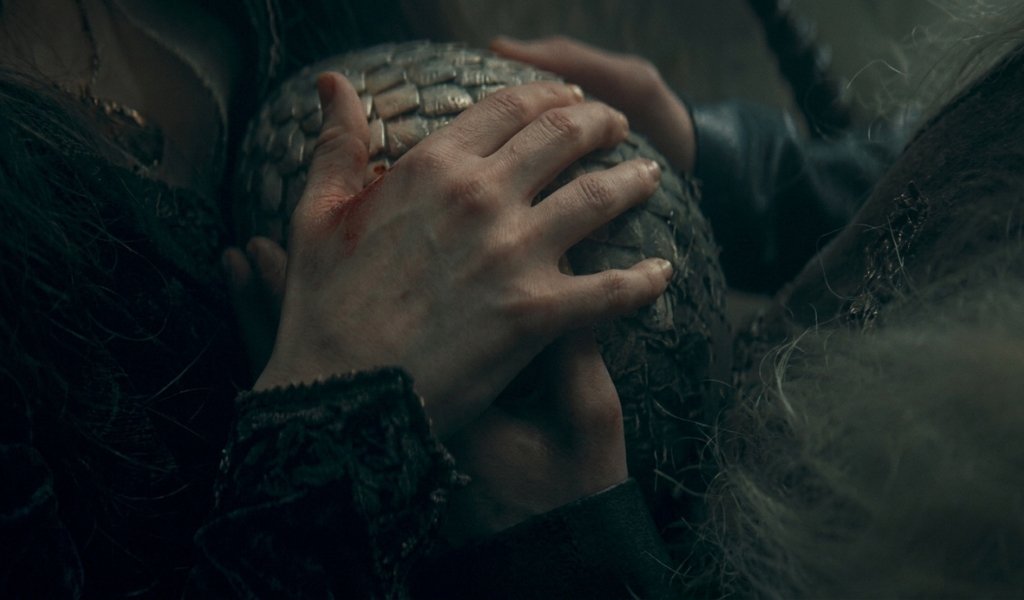
It reads as something closer to a covenant Alys binding Aemond to a vision of the future she has carefully constructed around him. It is more interesting than anything Fire & Blood offers for this pair, and that is no small achievement.
The Green Faction: Daeron Targaryen the Daring and His Book vs Show Differences
The tragedy of young Daeron Targaryen (Benjamin Evan Ainsworth) deepens in Episode 6, and the show makes a pointed departure from Fire & Blood in how it frames his famous epithet.
In the book, Daeron earns the title “the Daring” through genuine battlefield valor specifically during the Battle of the Honeywine, a conflict that House of the Dragon has not adapted and likely never will. The name is a mark of earned courage.
On the show, the title emerges from something far more cynical. It is Ormund Hightower’s propaganda,
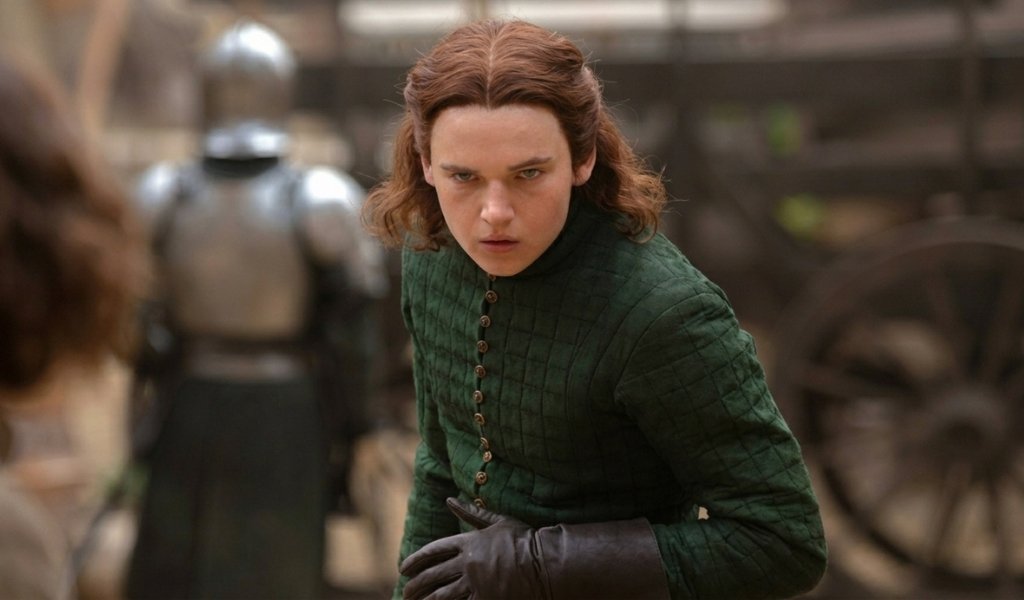
a label manufactured to stir the smallfolk and build popular support for the green cause. Daeron himself has no say in it.
This reframing says something sharp about the nature of reputation in wartime Westeros. But Daeron’s larger situation is equally grim. Alicent believed she was protecting her youngest son by sending him to foster at Oldtown. Instead, she delivered him into the hands of his own cousin, who has effectively made the prince a gilded hostage. Had Daeron remained in King’s Landing, Rhaenyra would likely have simply confined him to his chambers as she did with his fake Baratheon proxy. The irony is brutal.
The episode also raises a quiet continuity concern: Ser Gwayne (Freddie Fox) appears to have crossed the war-torn Riverlands with remarkable speed. More pointedly, Fire & Blood records that Gwayne Hightower died the very day Rhaenyra took King’s Landing, killed by his own brothers in the City Watch. The show has no obligation to honor that fate, but it is worth tracking.
Unexpected Romances: The Baela Targaryen and Alyn of Hull Kiss
This is where the episode stumbles most visibly.
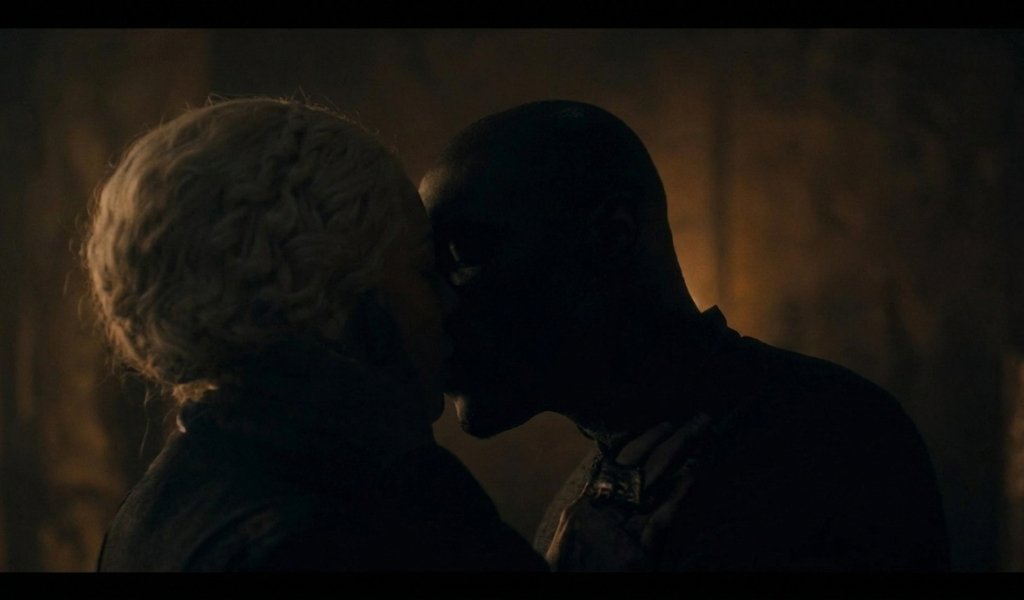
Baela Targaryen (Bethany Antonia) and Alyn of Hull (Abubakar Salim) share a kiss that arrives without meaningful buildup. Their total on-screen interaction before this moment amounts to roughly one minute, a brief exchange in Episode 2 following the Battle of the Gullet. Episode 5 spent more time suggesting a potential connection between Baela and Alyn’s brother Addam, not Alyn himself.
The kiss is not without precedent in the lore. In Fire & Blood, Baela and Alyn do eventually marry but the circumstances are entirely different. After the Dance of the Dragons concludes and the council of regents begins pressing Baela to wed for political advantage, she escapes King’s Landing, flies to Driftmark, and weds Alyn in secret. The book does not imply any romantic history between them. Baela’s choice, as Martin writes it, is practical above all: Alyn, by then Lord Velaryon, is her closest eligible relative and the best available option.
Accelerating this romance is not inherently wrong. The problem is the absence of groundwork. One meaningful scene per episode would have made the kiss feel earned. As written, it lands like a scene from a different episode of a different show.
King’s Landing & Council Shifts: Rhaenyra, Mysaria, and the Dragonseed Dynamics
The King’s Landing scenes in Episode 6 are almost entirely show-original, but they track closely to a single condensed passage in Fire & Blood: the city and crown belong to Rhaenyra, even as the Narrow Sea returns to Velaryon control and the Triarchy tears itself apart across the water.
What the show expands upon is the texture of Rhaenyra’s helplessness. She sits atop the Iron Throne with an empty treasury, a depleted Gold Cloak force undermined by Ormund Hightower’s agents, and a frightened city looking to her for protection she cannot provide. It is in this moment of impotent dismissal waving away the commonfolk’s fears because she has no real answer for them that Rhaenyra cuts herself on the throne. The symbolism is pointed and very much in keeping with the show’s visual language.
The Mysaria thread is more troubling. Mysaria (Sonoya Mizuno) learned of Helaena’s pregnancy and withheld the information from Rhaenyra despite having promised Alicent she would share it. When Rhaenyra confronts her this episode, Mysaria lies directly to her face. In Fire & Blood, Mysaria’s loyalty to Rhaenyra holds until the very end. This deliberate deception reads as the opening move of something larger and far more dangerous.
Meanwhile, Ulf the White (Tom Bennett) sits at the edge of a bribe that could flip him to the greens. Hugh the Hammer (Kieran Bew) may need stronger motivation to follow though his wife, a figure invented entirely by the show, could become the lever that tips him. In Fire & Blood, Daemon offered both men lordships. The show is building their betrayal from a different angle, one rooted in humiliation and resentment rather than ambition.
House of the Dragon Season 3 Episode 6 Ending Explained: Lord Corlys Velaryon’s Capture
The episode closes with a cliffhanger that is entirely absent from Fire & Blood. Lord Corlys Velaryon (Steve Toussaint) is ambushed by Bold Jon Roxton (Joplin Sibtain) and, by all indications, taken captive at Ormund Hightower’s instruction.
Earlier in the episode, Ormund allowed a flicker of genuine admiration for Corlys to surface admiration for the Sea Snake’s legendary career, his command of the Narrow Sea, his reputation. That detail now reads as foreshadowing. The working theory: Ormund intends to offer Corlys a role in the green court, perhaps as Hand of the King to the young Daeron. How far does that delusion extend? In Fire & Blood, Ormund Hightower never crowns or formally installs Daeron as king. There is no precedent for this storyline.
As an ending, the capture of Corlys lands with muted impact largely because the episode opened on one of the most mythologized moments in Targaryen history. Beginning with the Butcher’s Ball set an extraordinary standard. Everything after it, including the closing ambush, operates in its shadow.
Episode Verdict: B+
The Butcher’s Ball sequence alone justifies the episode’s existence. Fabien Frankel’s run as Criston Cole ends here, and whatever the character’s moral failures, Frankel brought sustained conviction to every scene. The Aemond and Alys Rivers storyline continues to outperform its source material. The missteps, the underprepared Baela-Alyn kiss, the muted ending are real, but they do not undo an hour that, at its best, reminds you exactly why Fire & Blood is so extraordinary on the page.
Frequently Asked Questions
How does Ser Criston Cole’s death in Season 3 Episode 6 differ from Fire & Blood?
While the show faithfully adapts the Butcher’s Ball ambush at Crossed Elms, it omits Pate of Longleaf’s iconic dialogue over Cole’s corpse (“I’ll have no songs about how brave you died, Kingmaker”). Additionally, the show gives Black Aly the moment of shooting the first arrow and replaces obscure book characters with Ser Oscar Tully during the parley.
Are Aemond Targaryen and Alys Rivers’ dragon eggs at Harrenhal canon in the book?
No, the dragon eggs at Harrenhal are a show-original addition. In Fire & Blood, Alys Rivers is simply described as Aemond’s bedmate after the fall of Harrenhal. The show expands this into a mystical dynamic, using a non-canon clutch of Dreamfyre’s dragon eggs to give Aemond a new vision of power beyond the Iron Throne.
House of the Dragon Season 3, Episode 7 release date?
House of the Dragon Season 3, Episode 7 will release on August 2, 2026, on HBO and streaming on Max at 9:00 p.m. ET, with international streaming times varying into early Monday morning (such as August 3).