
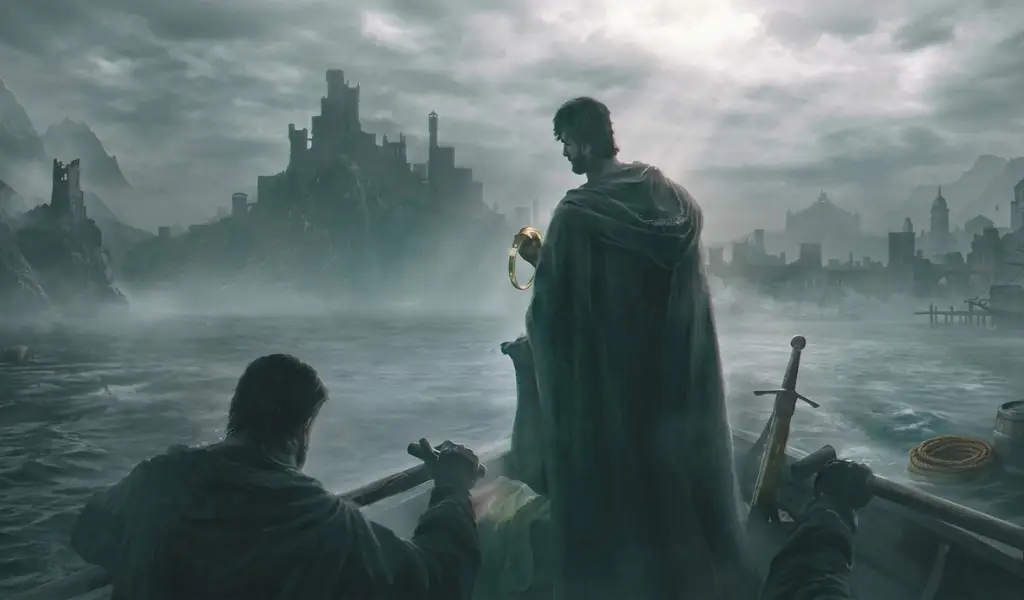

Few houses in Westeros embody the perilous cost of defiance quite like House Darklyn of Duskendale. Perched at the mouth of the Blackwater Rush, this Crownlands family rode the highs of royal service and the lows of brutal retribution across centuries of Targaryen rule. Their story is one of shifting loyalties, dragon-fire submission, and a final act of rebellion so audacious it helped push a king toward madness.
This post traces the full arc of House Darklyn’s history from their days as independent petty kings to their prominent Kingsguard legacy, and finally to the two catastrophic uprisings that erased them from Westeros entirely. Along the way, we’ll unpack their roles in the Dance of the Dragons and the infamous Defiance of Duskendale, drawing on details from both House of the Dragon and George R.R. Martin’s written history of the Seven Kingdoms.
House Darklyn History and Origins in the Crownlands
Long before they answered to any Targaryen, the Darklyns ruled as petty kings during the Age of Heroes. Their power center was Duskendale, a coastal settlement whose location gave them command over the mouth of the Blackwater Rush a waterway too strategically valuable to ignore. Controlling this passage meant controlling trade and movement along one of the Crownlands’ most vital arteries.
Their ancestral seat, Dun Fort, reflected that importance.
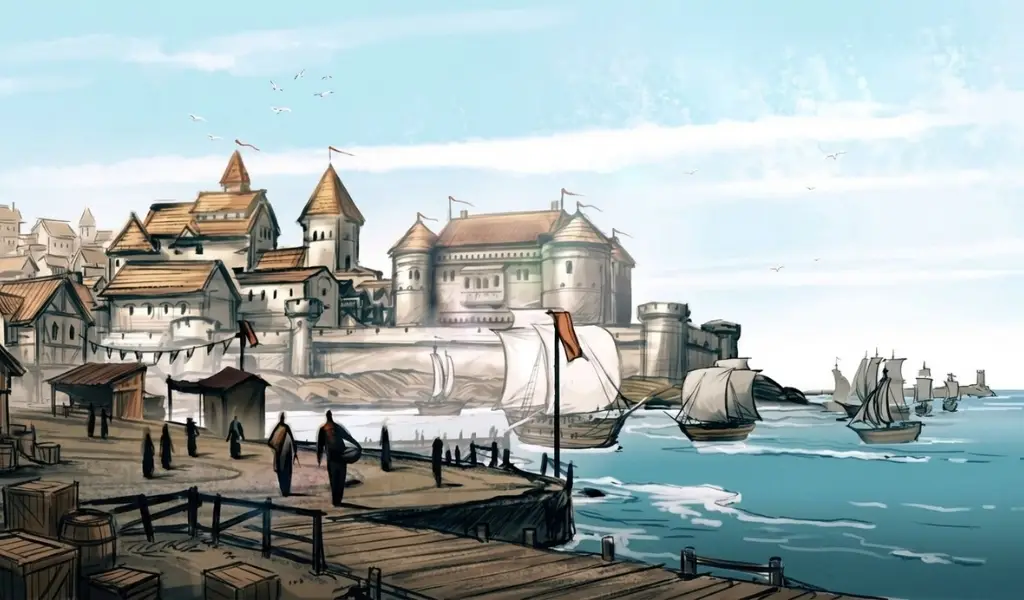
Built as an imposing stronghold, it served as both a defensive bulwark and a symbol of the family’s regional authority. To reinforce their position, the Darklyns forged a lasting alliance with House Hollard, a partnership that helped them maintain their grip on Duskendale for generations.
That grip nearly broke when Aegon I Targaryen launched his Conquest of Westeros. House Darklyn, led by Lord Gunnor Darklyn, refused to bow without a fight. They joined forces with House Mooton of Maidenpool, marching south with roughly three thousand men in an attempt to push the invaders back into the sea. Fire and Blood immortalizes this moment: “The Conquerors’ first true test came from Lord Darklyn of Duskendale and Lord Mooton of Maidenpool, who joined their power and marched south with three thousand men to drive the invaders back into the sea.”
The effort failed. Aegon’s dragons proved an insurmountable advantage, and Lord Gunnor was ultimately forced to submit. House Darklyn swore fealty to the newly crowned Targaryen dynasty, transitioning from sovereign kings to sworn vassals. Yet their strategic value at Duskendale meant they retained control of their lands even under Targaryen rule a compromise that would keep the family relevant, if subordinate, for generations to come. They would go on to demonstrate loyalty through subsequent conflicts, including the Blackfyre Rebellions.
House Darklyn Kingsguard Members and Targaryen Loyalty
Despite their rocky start with the Targaryens, House Darklyn carved out a lasting legacy of royal service. Over the centuries, the family produced seven knights who served in the Kingsguard an extraordinary contribution for a single house. Ser Robin Darklyn holds the distinction of being the first, joining as a founding member during Aegon’s reign. Ser Rolland Darklyn would eventually become the last of the seven, closing out a tradition of service that spanned much of House Darklyn’s existence.
Among these Kingsguard knights, Ser Steffon Darklyn stands out for his role during one of the most turbulent periods in Targaryen history: the Dance of the Dragons. Steffon served as Lord Commander of Rhaenyra Targaryen’s Queensguard, a position that placed him at the center of the civil war tearing House Targaryen apart. His loyalty to Rhaenyra never wavered, even as the conflict escalated into open warfare between rival claimants to the Iron Throne.
House of the Dragon introduces House Darklyn early in its run through a knight who travels to King’s Landing for the Heir’s Tournament though this knight meets his end during the event itself. It’s Season 2, however, where the family’s involvement deepens considerably, as both Ser Steffon’s steadfast allegiance and Lord Gunthor Darklyn’s defiance take center stage.
The Sack of Duskendale and the Dance of the Dragons
House Darklyn’s alignment with Rhaenyra Targaryen came at a devastating cost. As the Dance of the Dragons raged, the family threw its support behind her claim, supplying ships and resources critical to her war effort. This wasn’t a passive allegiance. House Darklyn actively strengthened Rhaenyra’s position at a moment when every ally mattered.
That loyalty proved fatal once the tide of war turned. Lord Gunthor Darklyn refused to submit to Aegon II Targaryen, a decision that sealed his fate. Ser Criston Cole led the brutal sack of Duskendale in retaliation, executing Lord Gunthor and killing many members of House Darklyn in the process. The assault wasn’t a symbolic punishment, it was a calculated act of destruction meant to crush any remaining resistance in the Crownlands.
The sack of Duskendale stands as one of the darkest chapters in House Darklyn’s timeline. It’s a stark illustration of how quickly political loyalty could turn lethal during the Dance of the Dragons, and it left House Darklyn considerably weakened heading into the following generations. Their defiance against Aegon II became, in the eyes of many, a cautionary tale about the price of backing the losing side in a Targaryen civil war.
The Defiance of Duskendale and the End of House Darklyn
If the sack of Duskendale weakened House Darklyn, the events that followed under Lord Denys Darklyn finished the job entirely. Decades after the Dance of the Dragons, Denys sought greater independence for his family, requesting a new charter that would allow him to levy his own port fees and taxes without royal interference. King Aerys II Targaryen the man history would remember as the Mad King refused the request outright.
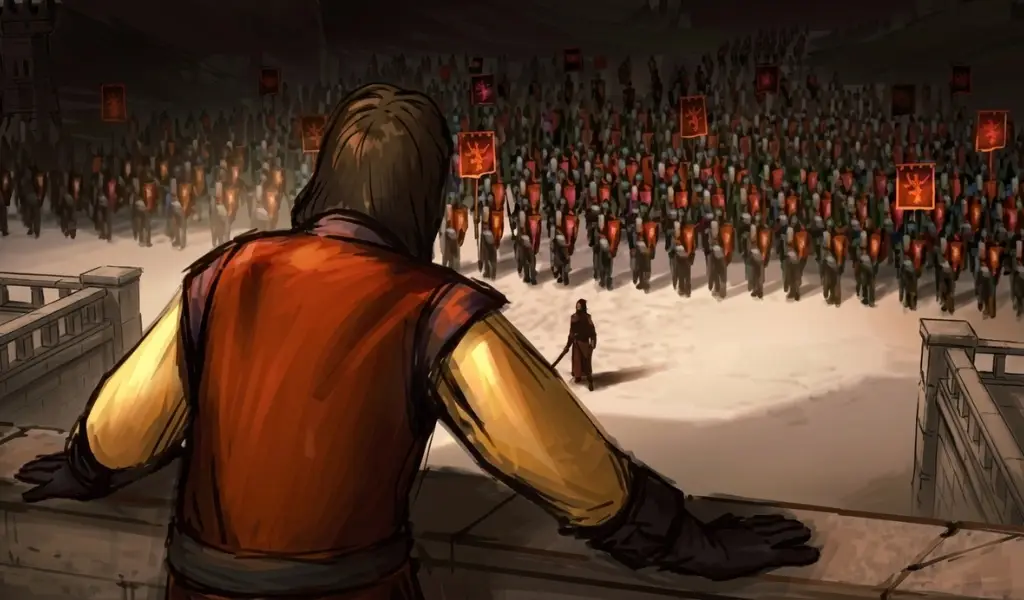
Denys’s response was audacious even by Westerosi standards. He invited Aerys to Duskendale, then ambushed and captured him upon arrival. This episode, known as the Defiance of Duskendale, represents one of the boldest acts of rebellion against a sitting Targaryen monarch. Holding a king hostage wasn’t a move that could end quietly, and it didn’t.
The Lannisters mobilized quickly, laying siege to Duskendale in an effort to free their captured king. What followed was a brutal campaign that ended in Denys’s betrayal of Aerys and the complete destruction of House Darklyn. While Game of Thrones never depicts this event on screen, its consequences ripple through the show’s backstory many historians point to the Defiance of Duskendale as a turning point that accelerated Aerys’s descent into paranoia and madness.
The End and Legacy of House Darklyn
The Defiance of Duskendale marked the definitive end of House Darklyn’s power. What began centuries earlier as an independent kingship controlling a vital stretch of the Blackwater Rush concluded in total annihilation a fate sealed by two separate acts of defiance against reigning Targaryen kings, generations apart.
Still, House Darklyn’s legacy persists in the broader history of the Seven Kingdoms. Their seven Kingsguard knights represent one of the most substantial contributions any single house made to that elite order. Their alliance with Rhaenyra during the Dance of the Dragons cements them as consequential, if ultimately doomed, players in one of Westeros’s bloodiest civil wars. And their role in destabilizing Aerys II adds a crucial piece to understanding how the Mad King’s reign spiraled toward its infamous conclusion.
House Darklyn’s story is a reminder that in Westeros, strategic value and past loyalty offer no guarantee of survival. Power built over centuries can collapse in a single act of rebellion and for House Darklyn of Duskendale, it did, twice.
Frequently Asked Questions
Who led House Darklyn during Aegon’s Conquest?
Lord Gunnor Darklyn led House Darklyn during Aegon I Targaryen’s Conquest of Westeros. He initially resisted alongside House Mooton but ultimately submitted after being overpowered by Aegon’s dragons.
How many House Darklyn members served in the Kingsguard?
Seven members of House Darklyn served in the Kingsguard over the centuries, beginning with Ser Robin Darklyn during Aegon’s reign and ending with Ser Rolland Darklyn.
What caused the sack of Duskendale during the Dance of the Dragons?
Lord Gunthor Darklyn’s refusal to submit to Aegon II Targaryen after supporting Rhaenyra triggered the sack of Duskendale, led by Ser Criston Cole, resulting in Gunthor’s execution and heavy losses for House Darklyn.
What was the Defiance of Duskendale?
The Defiance of Duskendale refers to Lord Denys Darklyn’s capture of King Aerys II Targaryen after being denied a charter for independent taxation rights. The ensuing Lannister siege led to House Darklyn’s complete downfall.