
Are Dunk and Egg Targaryens: Understanding the Core Distinction
One man carries royal blood. The other carries nothing but a sword, a horse, and a debt he can’t repay. That contrast sits at the heart of one of George R.R. Martin’s most understated works, and it’s exactly why so many readers ask the same question before diving in: are Dunk and Egg Targaryens?
The short answer is no and yes. Dunk has no drop of dragon blood in him. Egg, on the other hand, is a Targaryen through and through, though you’d never guess it from how he travels. This split identity isn’t a minor detail buried in the plot. It’s the entire engine driving Tales of Dunk and Egg, George R.R. Martin’s novella cycle set nearly ninety years before the events of Game of Thrones. Rather than dragons and dynastic wars, these stories deal with dusty roads, chaotic tourneys, and the kind of political tension that simmers quietly instead of exploding on a throne room floor.
With A Knight of the Seven Kingdoms now adapting these tales for HBO, interest in the true identities of Dunk and Egg has surged. Here’s a breakdown of who these two men actually are, why their bond matters, and how their contrasting backgrounds shape everything Martin wanted to say about power in Westeros.
Understanding the Core Distinction: Who Is a Targaryen?
Martin didn’t pair these two characters by accident. Dunk represents a man with no inherited power whatsoever, while Egg represents someone born directly into it. That deliberate mismatch is the foundation the entire story cycle rests on.
Throughout their travels together, identity stays hidden, authority gets questioned at nearly every turn, and leadership is shaped far away from the Iron Throne’s shadow. Martin uses this dynamic to dig into something most fantasy stories skip over: how rule is actually understood by the people experiencing it, long before crowns, councils, or wars step in to define the official history books.
This is what separates Tales of Dunk and Egg from the sweeping political battles of Game of Thrones. Instead of watching the king’s scheme from a distance, readers walk alongside two men who experience the consequences of royal decisions firsthand, one of them without even realizing his companion will eventually be the one making those decisions.
Who Is Egg? Aegon V Targaryen’s Hidden Journey
Egg is Aegon V Targaryen. Not Aegon the Conqueror, not Aegon II, and not Young Griff. Aegon V, later remembered by history as “Aegon the Unlikely,” has his own distinct chapter in Targaryen history, separate from every other Aegon who’s ever sat on the throne.
As the fourth son in his family line, Aegon never expected to wear a crown.

That’s precisely the point Martin is making. Being fourth in line meant Aegon grew up with room to breathe, free from the constant political grooming that firstborn heirs typically endure. While traveling with Duncan, he conceals his name and status entirely, choosing instead to learn firsthand how common people live, struggle, and suffer under the rule of nobles who rarely see their reality up close.
The nickname “Egg” has a surprisingly simple origin. It comes from family teasing: Aemon Targaryen jokes that “Egg-on” sounds suspiciously close to his brother’s name, and Aegon’s shaved head seals the comparison for good. It sticks with him for the rest of his life. No other Aegon in the entire canon carries this particular nickname, which makes it a reliable identifier whenever the character comes up in conversation or debate among fans.
Aegon’s path to the throne wasn’t paved by destiny in any traditional sense. When his older brothers either die or disqualify themselves from succession, the Great Council makes the unexpected choice to crown Aegon V instead. The boy who spent years traveling in disguise, functioning essentially as a stableboy, becomes king almost by probability turned sideways rather than by any grand design.
That unlikely path directly shapes how Aegon V rules once he’s finally on the throne. His reign becomes defined by reform-minded policies, informed by everything he witnessed while powerless and unrecognized. This puts him at constant odds with nobles who’d rather cling to tradition than embrace the kind of justice Aegon now wants to implement. The nickname “Egg” belongs exclusively to him, and understanding this single fact clears up most of the confusion people have when they first ask whether Egg is Aegon V Targaryen.
How Is Ser Duncan Related to Other Westerosi Families?
Duncan’s story runs in the opposite direction. He has no noble lineage whatsoever, and that’s not up for debate or speculation. It’s canon, plain and simple. Whatever importance Ser Duncan the Tall eventually holds in Westerosi history comes through consequence rather than birthright.
This is where the Ser Duncan the Tall lineage family question gets genuinely interesting. George R.R. Martin has confirmed, in an interview with Vanity Fair, that Brienne of Tarth descends from Duncan.
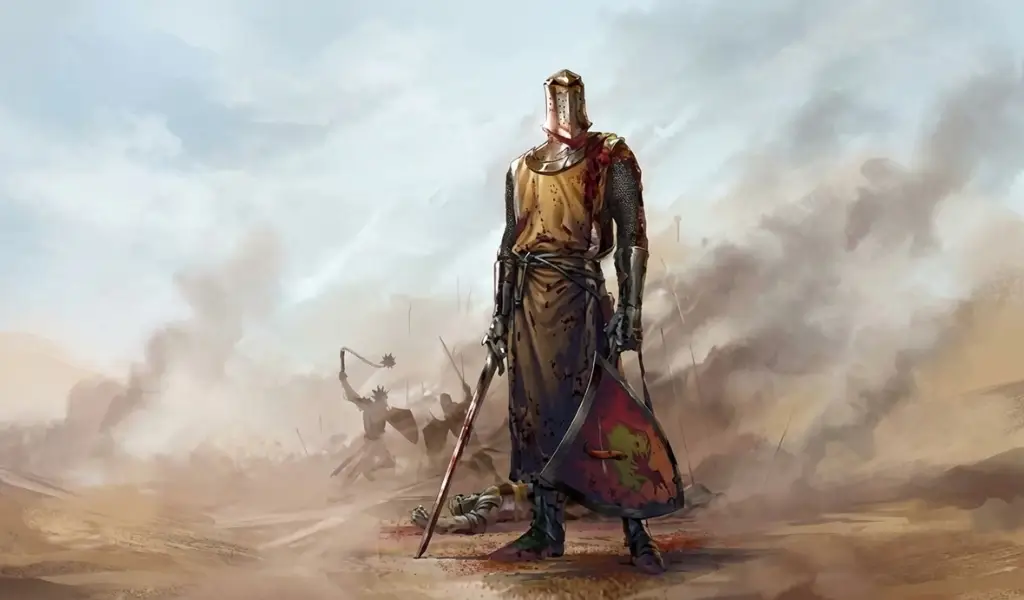
That connection isn’t just an offhand remark either. It’s reinforced by physical resemblance between the two characters and by a preserved relic that still exists within House Tarth: Duncan’s shield, bearing the black pup tent on a yellow field, kept safe long after his death.
Many readers also believe Duncan married Rohanne Webber at some point after his adventures with Egg, which would link him indirectly to House Lannister through her bloodline, since Tytos Lannister descends from that very house. It’s a subtle thread, but it adds another layer to how far Duncan’s influence reaches despite starting with nothing.
Fans have also had plenty of fun connecting Duncan to other towering figures across the broader story, from Hodor to Night’s Watch recruits like Grenn or Small Paul, even stretching the comparison to the Clegane brothers. These theories mostly rest on height, temperament, and shared smallfolk origins rather than any confirmed evidence, and Martin himself has never validated these connections. Still, the fact that fans keep drawing these lines speaks to how memorable Duncan’s character has become despite his humble start.
What makes Duncan’s story so compelling is exactly this: he proves that legacy in Westeros isn’t only inherited through noble houses and family trees. Sometimes it’s built from nothing and then carried quietly by descendants who never even knew the name behind their own bloodline.
Why This Distinction Still Matters for Fans Today
Understanding whether Dunk and Egg are Targaryens isn’t just trivia for die-hard readers. It’s the key to understanding what Tales of Dunk and Egg George R.R. Martin actually set out to accomplish this story cycle. By pairing a highborn Targaryen prince with a lowborn, landless knight, Martin creates a lens through which readers can examine power, justice, and identity from two completely opposite starting points.
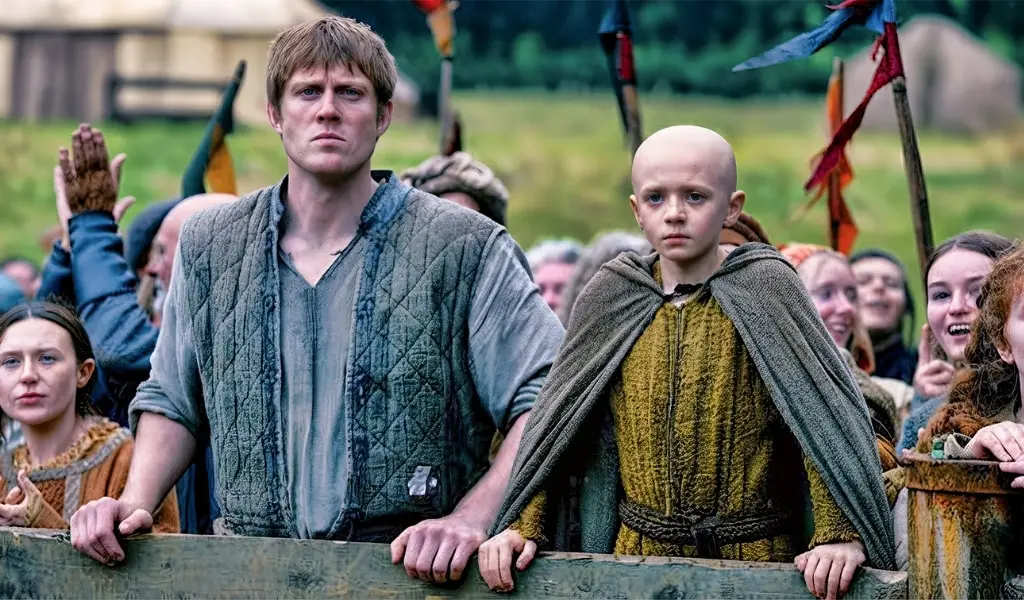
With HBO’s adaptation now bringing these characters to screen, and Peter Claffey stepping into the towering boots of Ser Duncan the Tall, a new wave of viewers is getting introduced to this dynamic for the first time. Whether you’re catching up on the source novellas or watching the show unfold, knowing that Egg is Aegon V Targaryen and that Duncan carries no royal blood at all gives you the proper foundation to appreciate everything that happens next in their journey together.
Frequently Asked Questions
Is Dunk a Targaryen?
No. Ser Duncan the Tall has no noble blood or inherited power. His story is built entirely on merit, consequence, and the relationships he forms along the way, rather than any royal bloodline.
Is Egg Aegon V Targaryen?
Yes. Egg is confirmed to be Aegon V Targaryen, later known throughout Westerosi history as “Aegon the Unlikely.” He is not to be confused with Aegon the Conqueror, Aegon II, or Young Griff.
When are the Dunk and Egg stories set?
The novellas take place roughly ninety years before the events of Game of Thrones, focusing on a much quieter, more grounded period of Westerosi history.
Is Ser Duncan the Tall related to Brienne of Tarth?
Yes. George R.R. Martin has confirmed that Brienne of Tarth descends from Duncan, a connection supported by physical resemblance and a preserved shield still kept by House Tarth.