
House of the Dragon Season 3 Episode 4 Recap and Review: The Most Fun the Show’s Ever Been Unfaithful
The halfway point of any television season is a litmus test. Either the story has built enough momentum to carry viewers through to the finale, or it starts to feel like padding dressed up as plot. This House of the Dragon season 3 episode 4 recap and review is here to settle the question and the verdict is a complicated, thoroughly entertaining one. Episode 4, titled “Tumbleton,” is arguably the least faithful adaptation of George R.R. Martin’s Fire & Blood the show has produced to date. It is also, somehow, among the most compelling hours of television the series has delivered.
Five storylines. Five locations. A dozen moving pieces, each one pulling the Dance of the Dragons in a different direction. The writers are juggling flaming swords here, and while a few get dropped, most land with satisfying weight. Here’s everything that happened, where the show diverged from the source text, and why it mostly works.
Mysteries and Hard Choices at Harrenhal
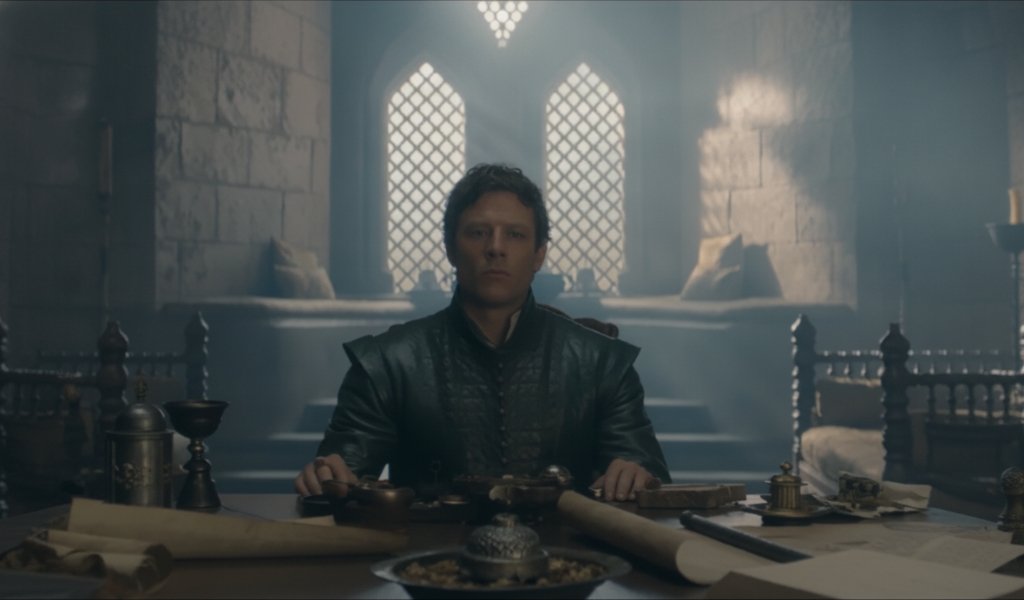
Criston Cole, played with weathered pragmatism by Fabien Frankel, arrives at Harrenhal to find the cursed castle in its usual state of grim disrepair and conspicuously short one prince. Aemond Targaryen is nowhere to be found, and Alys Rivers, the castle’s unsettling mistress, is not about to tell Cole where he went. She offers a vague deflection, her expression carrying that signature blend of serenity and menace that has made her one of the show’s most watchable presences.
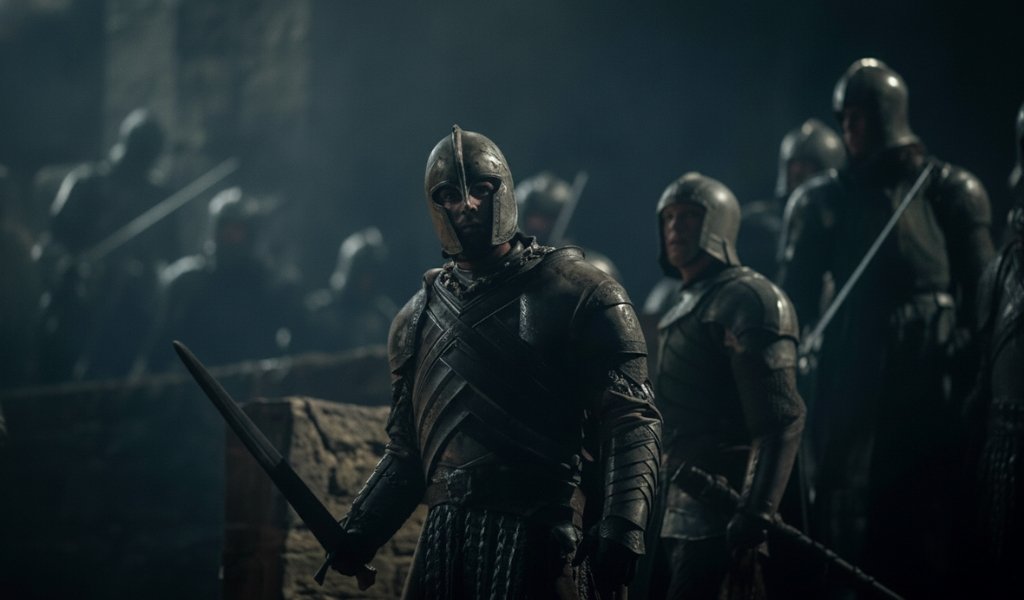
In the books, Aemond’s increasingly erratic behavior and his obsession with Alys are well-documented. The show leans into the mystery of his absence rather than explaining it outright, which is a smart storytelling choice; it preserves the sense that Aemond operates outside anyone’s control, including his own commanders. Cole, ever the pragmatist, doesn’t wait around for answers. Faced with a Black army that outnumbers his forces in the field, he pivots to guerrilla warfare. No more pitched battles. No more marching in formation toward certain defeat. He’s going to bleed the Blacks slowly, from the shadows.
This tactical shift isn’t directly sourced from Fire & Blood, which tends to treat military strategy in broader strokes. The show is filling in gaps here, giving Cole a coherent battlefield logic that makes him feel like an actual general rather than a plot device. It’s one of those deviations that strengthens rather than contradicts the source material.
Turmoil in Tumbleton
Tumbleton is where the episode gets genuinely dark and where the book’s events are rewritten most aggressively.
Ormund Hightower, commanding roughly 15,000 Green soldiers, has taken the town. That much tracks with Fire & Blood. What doesn’t track is the psychological portrait the show constructs around his relationship with young Daeron Targaryen. In the text, Daeron the Daring is a beloved, somewhat idealized figure, brave, warm, and adored by the smallfolk. The show is doing something far more uncomfortable with him.
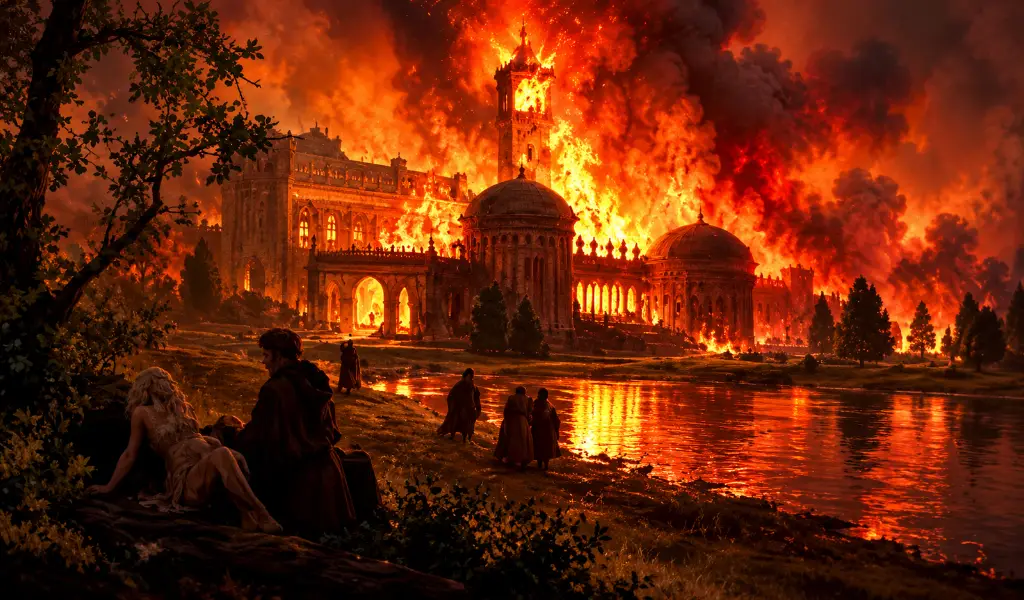
The tension between Ormund and Daeron escalates when Aemond’s failure to appear at Tumbleton creates a power vacuum and a crisis of confidence. The Green strategy depended on dragonfire from above; without Aemond and Vhagar, Ormund is holding a town with numbers but no decisive edge. Frustration curdles into something uglier.The situation turns devastatingly personal when Ormund orders young Daeron to murder Kat’s brother as part of his larger, cold political gambit. Forced to execute an innocent man simply for striking a soldier, Daeron is pushed into committing a horrific act that drives his dynamic with Ormund into much darker, deeply unfaithful waters.
The truly shocking development, though, is the plan that emerges: crown Daeron king. Not Aegon II. Daeron. The logic is coldly pragmatic: Aegon is broken, absent, and increasingly difficult to rally around, while Daeron represents youth, dragon-riding, and the possibility of a fresh start. This isn’t in Fire & Blood in any direct sense, but it reflects the book’s broader theme of the Greens fracturing under the weight of their own ambitions. The show has simply put names and faces to what Martin described in vaguer, more chronicle-like terms.
It’s a risky creative choice. Fans of the source material may bristle. But as pure television drama, watching the Green coalition begin to devour itself from the inside is riveting.
A Surprise in the Vale
The Vale storyline has been one of season three’s quieter threads, but episode four delivers a massive jolt of genuine surprise.
Daemon Targaryen, operating with his signature blend of charm, threats, and sheer force of personality, successfully pressures Jeyne Arryn into surrendering much-needed gold for the Black cause. Matt Smith commands the screen with his usual coiled energy, making the negotiation feel less like diplomacy and more like a theatrical performance staged entirely for Daemon’s own amusement.
However, the real revelation unfolds far from the Eyrie’s throne room. Caraxes, the Blood Wyrm, breaks from his master’s commands after catching the scent of another dragon hiding in a nearby cave. It is Sheepstealer, the wild beast, and hiding alongside it is Daemon’s daughter, Rhaena Targaryen. For a character who has been denied a dragon bond for most of her life, this moment brings a carefully built arc to a spectacular payoff.
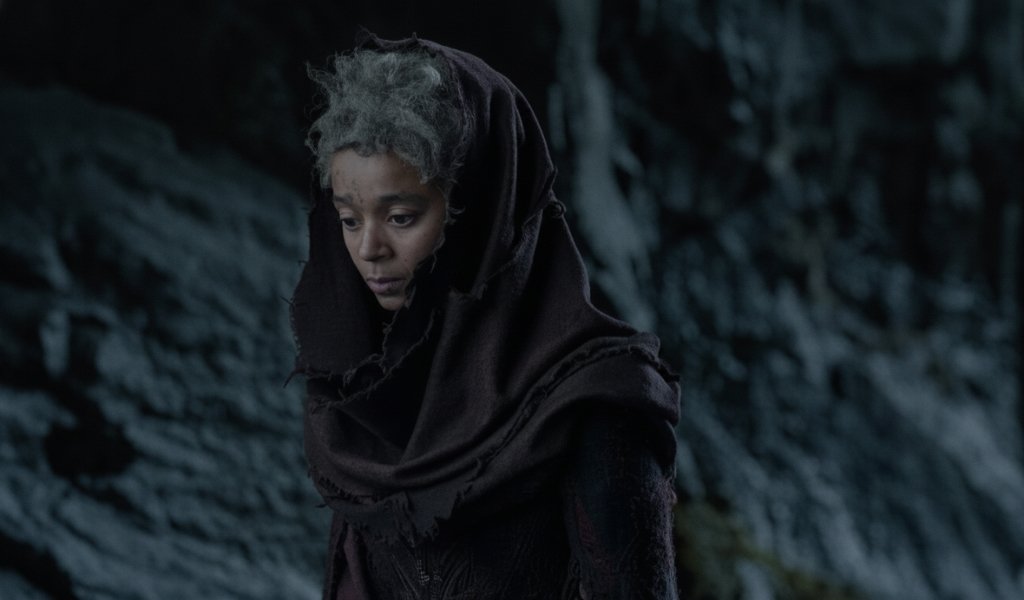
What elevates the sequence further is the rare, emotionally charged glimpse of Daemon acting as a father. Rhaena confesses her terror of returning to face Rhaenyra, fearing her wrath because the realm believes Sheepstealer’s rider was responsible for Jace’s tragic death at the Gullet.
To protect his daughter and secure her bond with the wild dragon, Daemon chooses a dark, morally troubling path. He brutally murders an innocent shepherd, charring the skull to stage a faked death and keep Rhaena’s dragon-riding status hidden from the Queen. It is a calculated, cold-blooded move that underscores the strategic advantage a dragon-riding Rhaena brings to the Blacks, proving once again that Daemon Targaryen will reshape the war’s calculus without a single ounce of remorse.
The Queen of Bastards Struggles in King’s Landing
Rhaenyra Targaryen is ruling, but barely.
Emma D’Arcy carries several of the episode’s heavier scenes, conveying the particular exhaustion of a queen who is right about nearly everything and still losing ground. The appointment of Alyn of Hull and Torrhen Manderly to her council signals a shift toward surrounding herself with loyalists over political operators, a move that reads as both bold and slightly desperate.
Meanwhile, the streets of King’s Landing are being scrubbed of “Queen of Bastards” graffiti by her own Gold Cloaks, who are responding to the campaign with predictable heavy-handedness. The smallfolk are not winning hearts here. Rhaenyra wants to be a ruler of the people; her enforcers are making that increasingly difficult.
The episode’s most intriguing piece of information dropped almost casually is the suggestion that Helaena Targaryen may be pregnant with Maelor. For book readers, Maelor’s story is one of the Dance’s most tragic footnotes. His potential reintroduction into the narrative raises the emotional stakes considerably.
Hugh Hammer, the legitimized bastard with a growing sense of his own importance, is dispatched to Tumbleton. Given what Fire & Blood says about Hugh’s ambitions and eventual fate, this is a thread worth watching very closely.
Sunfyre Lives
The episode’s final segment is the one most likely to generate arguments and the most emotionally affecting.
Aegon II Targaryen, traveling incognito with Larys Strong, makes his way to Rook’s Rest. Tom Glynn-Carney has been asked to perform a version of Aegon stripped of almost every comfort and prop that defined the character in earlier seasons. The result is something genuinely surprising: a king doing hard labor in a refugee camp, moving among people who don’t know who he is, humbled by the basic indignity of physical work.
And then he finds Sunfyre.
The dragon, badly wounded from the battle at Rook’s Rest that ended season two, is alive. The reunion is wordless and raw. Sunfyre, in the books, is described as the most beautiful dragon in the world and whatever the VFX team spent on this sequence, it was worth it. Aegon’s response to finding his dragon alive reads not as triumph but as relief so profound it tips into grief for everything that has already been lost.

Fire & Blood documents Sunfyre’s survival, but the discovery happens differently in the text. The show has reframed the event as a character moment rather than a plot beat, which is the right instinct.
How Episode 4 Changes the Game
What makes this episode worth discussing beyond its entertainment value is what it signals about the season’s ambitions. The writers are clearly uninterested in being a documentary adaptation of Fire & Blood. They’re using Martin’s chronicle as a framework and then building the emotional architecture themselves, filling in motivations, relationships, and consequences that the source text often leaves implicit.
This approach will frustrate purists. Several of the episode’s biggest moments have no direct equivalent in the book. The plan to crown Daeron, Daemon’s murder of the shepherd, the King’s Landing graffiti subplot none of these come straight from the page. But they all serve the story the show is telling, which is a portrait of a civil war in which no one is fully right and everyone is losing something irreplaceable.
The Verdict on House of the Dragon Season 3 Episode 4
This is the show at its most confident and its most divergent. For viewers who came to House of the Dragon hoping to see Fire & Blood faithfully dramatized, episode 4 may feel like a frustrating departure. For those who want television that uses its source material as a launching pad rather than a script, it’s a strong argument that the creative team knows exactly what kind of show they’re making.
This House of the Dragon season 3 episode 4 recap and review lands on a firm recommendation: watch it, debate it, and don’t assume you know what’s coming next because the writers clearly don’t feel bound by what the book says happened.
Frequently Asked Questions
How does House of the Dragon season 3 episode 4 differ from the book Fire & Blood?
Episode 4 is the most unfaithful episode of the season. Key deviations include the plan to crown Daeron Targaryen instead of Aegon II, Daemon killing an innocent shepherd to protect Rhaena’s bond with Sheepstealer, and the King’s Landing subplot around the “Queen of Bastards” graffiti. These storylines have no direct equivalent in Martin’s text.
Is Sunfyre really alive in House of the Dragon season 3?
Yes. Aegon II discovers his dragon Sunfyre alive at Rook’s Rest in episode 4. Sunfyre’s survival is consistent with Fire & Blood, though the show dramatizes the discovery differently, framing it as a deeply personal reunion rather than a strategic plot point.
What does the Helaena pregnancy revelation mean for the story?
The suggestion that Helaena Targaryen may be pregnant with Maelor is significant for book readers. In Fire & Blood, Maelor’s fate during the Dance of the Dragons is one of its most harrowing moments. Reintroducing this possibility raises the emotional stakes for Helaena’s storyline considerably.
Why does Daemon kill the shepherd in episode 4?
Daemon kills an innocent shepherd to stage a faked death because Rhaena fears facing Rhaenyra, who thinks Sheepstealer’s rider caused Jace’s death at the Gullet. By presenting the charred skull to the Queen, Daemon lies to protect his daughter and keep her bond with the wild dragon hidden.
House of the dragon season 3 episode 5 release date?
House of the Dragon Season 3, Episode 5 is officially scheduled to premiere on Sunday, July 19, 2026. The episode will air and stream at exactly 9:00 PM Eastern Time (ET) / Pacific Time (PT) on HBO and Max.