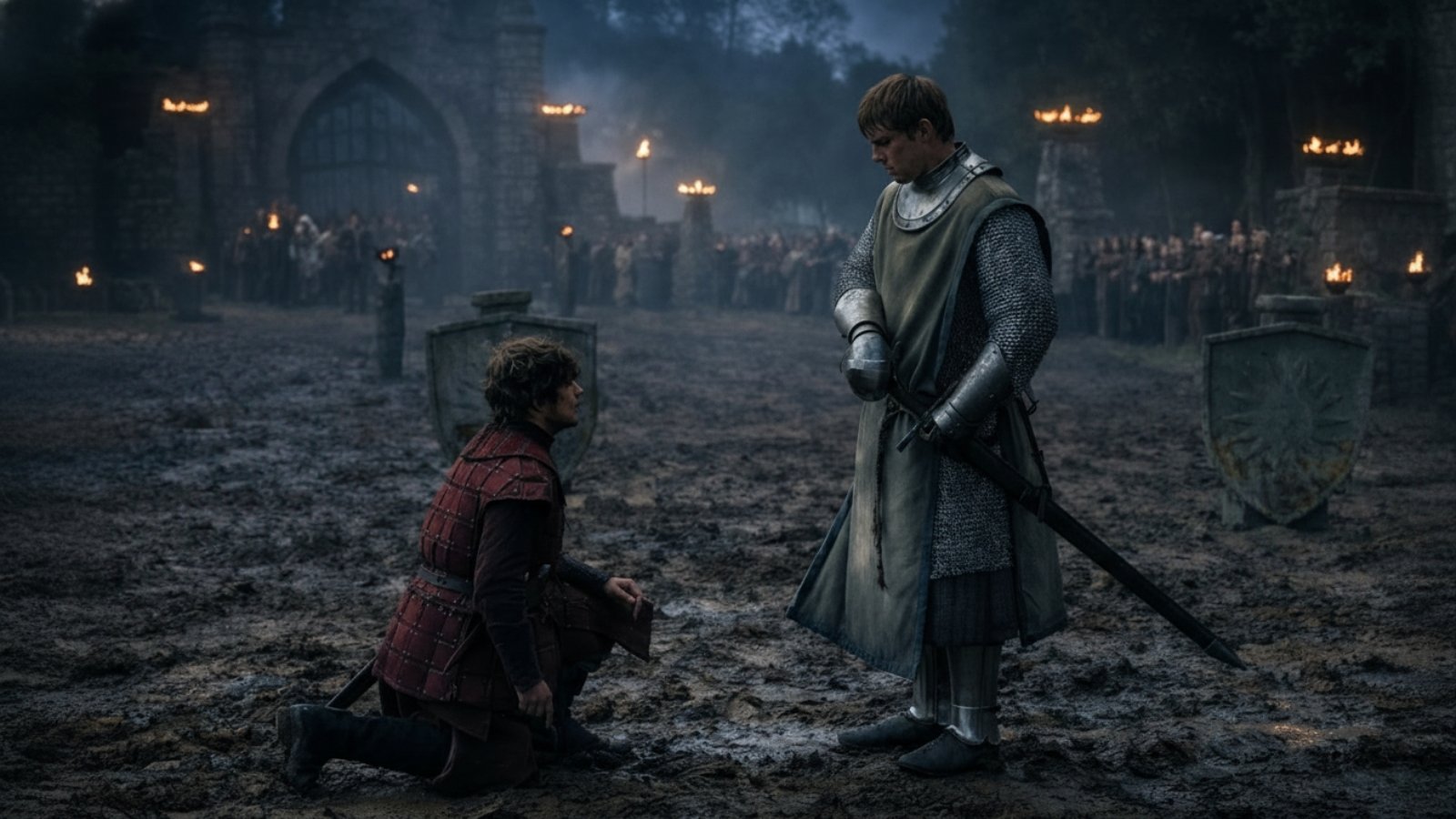
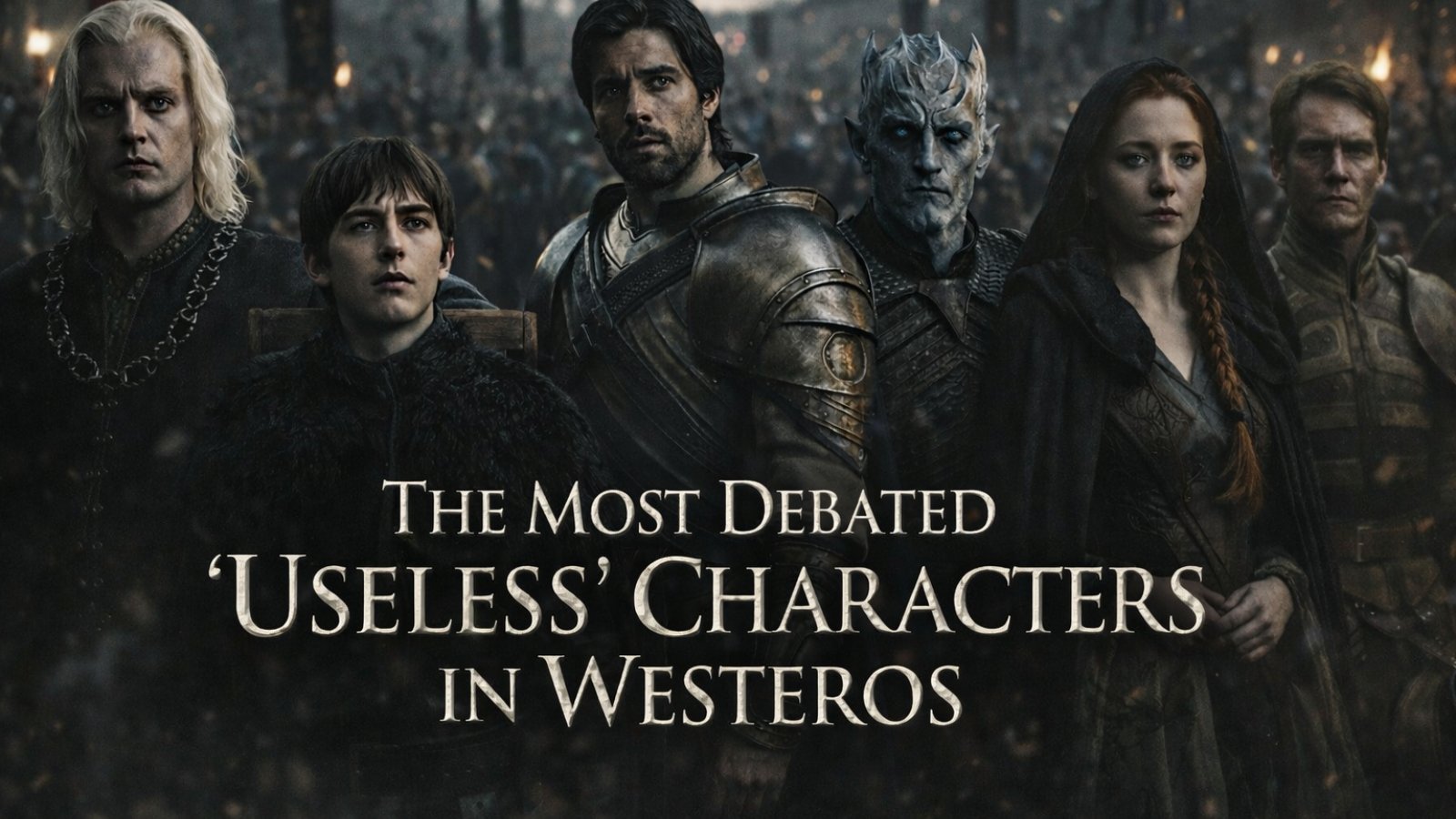

Beyond the List: Why Game of Thrones Fans Can’t Agree on the “Most Useless” Characters
Most useless characters in Game of Thrones is a debate that never truly ends among fans. Scroll through Reddit threads, YouTube comments, or fan forums and you will see the same names argued again and again.
The truth is simple: fans are not really arguing about the characters themselves. They are arguing about how usefulness should be measured. Some viewers care about action, power, and kills. Others focus on emotional weight, symbolism, or long-term story impact.
This article explains why fans disagree on the “most useless” characters in Game of Thrones, breaks down the different ways viewers judge characters, and shows why this debate never truly ends.
Key Takeaways
-
“Useless” means different things to different fans
-
Plot impact matters more than screen time alone
-
Emotional and symbolic roles are often overlooked
-
Later seasons changed how usefulness is judged
-
Book readers and show-only viewers see characters very differently
Why Fans Disagree on the Most Useless Characters in Game of Thrones
Fans disagree because usefulness is subjective. One viewer may call a character useless because they never fight. Another may defend that same character for shaping major events behind the scenes.
A common question appears again and again:
Is a character useless just because they are unlikable?
The answer is no. A character can be unpleasant, quiet, or weak and still serve an important purpose in the story.
The Three “Lenses” of Uselessness (Why We Disagree)
Lens 1: Plot Utility vs. Narrative Necessity
Some characters do very little on screen but trigger major events.
Rickon Stark is the clearest example. He barely speaks and makes no big choices, yet his capture and death directly push Jon Snow toward the Battle of the Bastards. Without Rickon, that battle likely never happens.
Lens 2: Power Levels vs. Political Influence
Many fans judge usefulness by strength or control.
Characters like Robin Arryn or Tommen Baratheon appear weak and passive. But their weakness allows others—like Little-finger or Cersei—to rule through them. Their lack of power becomes a political weapon.
Lens 3: The “Wasted Potential” Trap
Later seasons changed how fans judge characters.
Characters such as The Night King or Meera Reed were built up as important but removed quickly. Fans label them useless not because of who they were—but because the payoff felt incomplete.
Symbolic Utility: When a Character’s Use Is Emotional
Some characters exist mainly for emotional impact, not action.
Shireen Baratheon never fought for the Iron Throne. Her role was to show the moral collapse of Stannis. Her death mattered because of what it represented, not because of anything she achieved.
Other characters, like Quaithe or Brother Ray, exist to expand the world and themes before disappearing. Their purpose was atmosphere, not victory.
Standard Critiques: Why Some Characters Fail the Test
Screen-time vs. Impact Ratio
Fans become frustrated when characters take up large amounts of screen time without advancing the plot. This complaint is common about Meereen scenes in Seasons 5 and 6.
Redundant Skillsets
Some roles lose importance when another character replaces them.
For example, once Missandei’s translator role became less important, some fans questioned her usefulness—even though she remained Daenerys’s emotional support.
The “Prophecy” Fallacy: Lore Fans vs Casual Viewers
Lore-focused fans judge characters by prophecy.
Followers of the Prince That Was Promised expected clear magical outcomes. When characters like Jon Snow or Beric Dondarrion did not fulfill specific prophecy roles, some viewers labeled them useless.
Others argue that subverted prophecy is the point, not a failure.
The Great Divide: Book Purists vs Show-Only Fans
The Doran Martell Effect
Book readers understand Dornish politics in depth. Show-only viewers saw shallow storytelling. This explains why some defend characters others dismiss.
Lady Stoneheart and Missing Characters
The absence of book characters like Lady Stone-heart or Victarion Greyjoy made existing show characters feel rushed or hollow.
Production Realities: When Real Life Shapes the Story
Not every problem is narrative-based.
-
Actor availability
-
CGI budgets (such as Ghost’s limited screen time)
-
Recasting (like Daario Naharis)
These real-world issues caused some characters to feel inconsistent or forgotten.
Logical Factor: The Impact of Pacing on Perception
Early seasons focused on slow journeys and character growth. Later seasons used fast travel.
As a result, story-lines involving characters like Brienne and Podrick felt meaningful early on but pointless later, changing how fans judged them.
Case Studies: The Most Debated “Useless” Icons
Bran Stark: The King of Divided Opinions
Is Bran the memory of the world—or a passive observer with no payoff? Fans remain split.
The Sand Snakes: Action Without Impact?
They fight and speak boldly but fail to change the larger story, leading to frustration.
Samwell Tarly: Knowledge vs Action
Some fans value warriors. Others value knowledge. Sam represents that divide perfectly.
FAQ
Who is statistically the most useless character?
There is no clear answer. Screen time does not always equal impact. Many fans rank different names among the most useless characters in Game of Thrones depending on how they define impact.
Can a character be useless if they survive to the end?
Yes. Survival alone does not mean narrative value.
Did the writers intentionally make some characters feel pointless?
Sometimes. Game of Thrones often reflects the unfairness of real life.
The debate over the most useless characters in Game of Thrones reveals more about fan expectations than the characters themselves.
Conclusion
-
“Useless” depends on viewer expectations
-
Emotional and symbolic roles still matter
-
Not every character gets a heroic ending
-
The debate continues because the finale divided fans
Which character do you think was most unfairly labelled as useless? Let us know in the comments below. 👇