
What Happens to Jon Snow at the End of Game of Thrones? Plot Holes and Beyond the Wall Fate
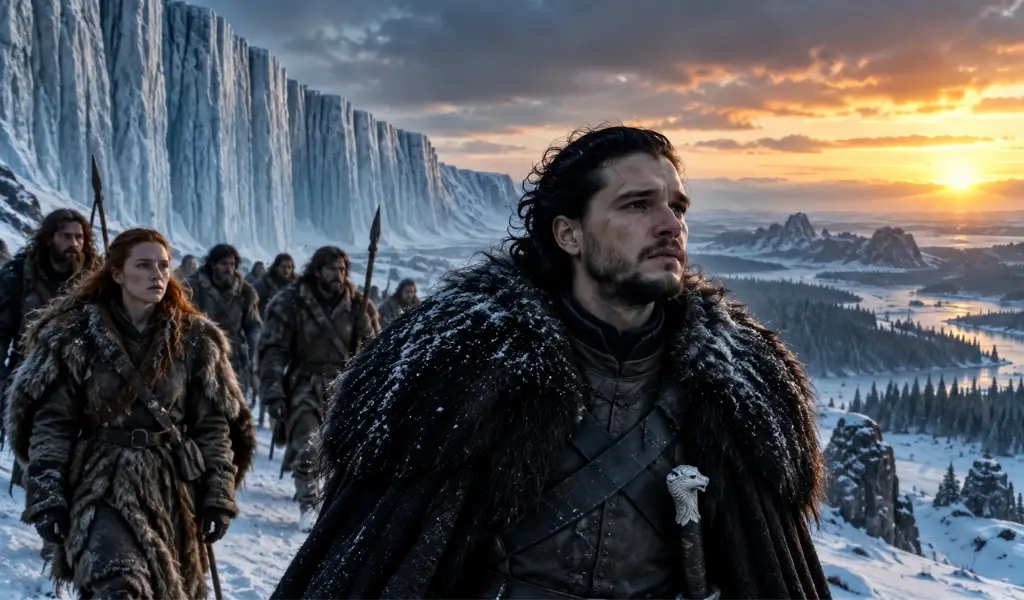
Game of Thrones delivered one of the most divisive finales in television history, and few character arcs sparked as much debate as Jon Snow’s. After eight seasons of battles, betrayals, and a reluctant rise to leadership, Jon’s story ended not with a crown, but with exile. He killed the woman he loved to save Westeros from tyranny, only to be shipped back to the Night’s Watch as punishment. Yet the final image of the series shows him walking beyond the Wall with a band of Wildlings, seemingly content.
That contradiction sits at the heart of two significant plot holes. The first concerns the shaky political logic that sent Jon north in the first place. The second questions why the Night’s Watch still existed at all once the White Walkers had been destroyed. Both issues linger over the ending, and both are worth unpacking in detail if you want to understand why so many fans still argue about Jon’s fate.
This post breaks down exactly what happened to Jon Snow, why his punishment doesn’t hold up to scrutiny, and what his future might look like in both the planned spinoff series and George R.R. Martin’s still-unfinished novels.
Jon Snow’s Exile Muddies the Post-Season 8 Politics of Westeros
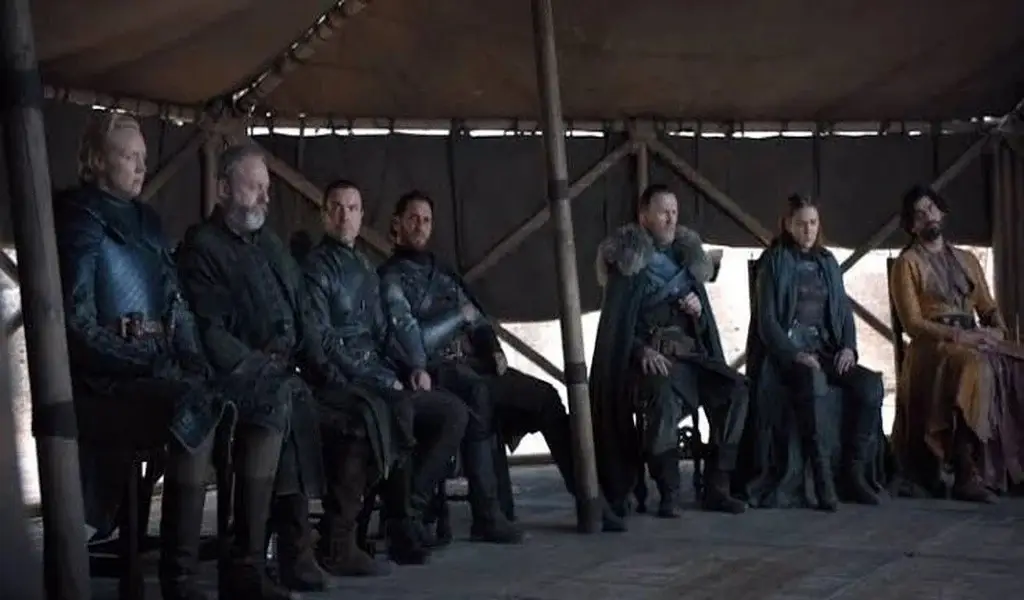
After Jon assassinated Daenerys Targaryen to stop her campaign of conquest, his fate rested in the hands of an unlikely judge: Grey Worm. This decision alone raises questions. Tyrion Lannister had played a central role in convincing Jon that Daenerys needed to die, yet Tyrion walked away rewarded with the position of Hand of the King. Jon, meanwhile, was sentenced to exile. The show never explained why one conspirator was elevated while the other was punished, nor why Grey Worm was given such decisive authority over the matter.
At the time, Grey Worm commanded the army of a queen who was already dead. He had no ties to Westeros and held no noble title, so there’s little reason a Westerosi king would have deferred to his judgment. Making matters more complicated, the king in question was Bran Stark, Jon’s own brother. Sansa Stark had also just been crowned Queen in the North. With Bran and Sansa both holding power, the Starks effectively controlled the Seven Kingdoms. Grey Worm’s outsized influence undercuts the fact that Jon was the rightful heir to the Iron Throne. An ex-slave from Essos arguably had no standing to banish him.
George R.R. Martin himself has criticized similar gaps in other fantasy epics. In a Q&A session referenced by The Independent, Martin took aim at The Lord of the Rings for glossing over the practical realities of governance.
“And Aragorn ruled wisely and well for 100 years or something. That’s easy to write that sentence. But I want to know: what was his tax policy? What did he do when famine struck the land? And what did he do when all those Orcs…? [There were] a lot of Orcs leftover. They weren’t all killed, They ran away into the mountains. Did Aragorn carry out a policy of systematic Orc genocide? Or was there Orc rehabilitation going on?”
Ironically, Game of Thrones fell into the same trap Martin described. The show never clarified how the political fallout of season 8 actually played out. The North and the newly formed Six Kingdoms could easily have descended into chaos once the credits rolled. Grey Worm sailed away from Westeros entirely with the Unsullied army, leaving no one behind to enforce the very sentence he handed down. The series never answered why Jon’s fate was dictated by someone who had no intention of sticking around to see it carried out.
Game of Thrones No Longer Needed the Night’s Watch
Even setting aside the question of who had the authority to punish Jon, the punishment itself doesn’t hold up. The Night’s Watch no longer had a purpose. Back in season 1, the organization existed for two reasons: to protect the realms of men from the Wildlings and to guard against the White Walkers. By the end of the series, it had failed at both missions in the sense that neither threat remained relevant. Wildlings were no longer enemies of Westeros. They had no interest in bowing to a southern king, but they also showed no intention of attacking Bran’s or Sansa’s kingdoms. The White Walkers, for their part, had been wiped out entirely.
In other words, the Night’s Watch had become obsolete by the time Jon was sentenced to serve in it again. Sending him there meant condemning him to guard against threats that no longer existed. A punishment for killing the queen would have made sense on some level, but the show had other, more logical options available. King’s Landing had just been reduced to rubble. Putting Jon to work rebuilding the city would have carried far more narrative and political weight. As it stands, Jon’s “punishment” barely functioned as one. He simply left the Night’s Watch altogether and headed beyond the Wall with his Wildling companions, undermining the entire premise of his sentence.
Why Did the Wildlings Go Back Beyond the Wall?
Despite no longer being considered enemies of Westeros, the Wildlings chose to return to the lands beyond the Wall, a harsh and inhospitable environment that few people would willingly inhabit. Tyrion summed up the arbitrary nature of that divide earlier in the series: “The only difference between us and the Wildlings is that, when that wall went up, our ancestors happened to live on the right side of it.” With the White Walkers gone, the Wildlings were finally free to choose where they wanted to live. They chose to go home.
That choice fits into a broader theme that ran throughout the show: displacement and the longing for home. Sansa dreamed of returning to Winterfell while trapped in King’s Landing. Daenerys was consumed by her own abstract vision of home throughout her entire arc. Jon, as a bastard, never had a secure place within House Stark, which is part of what pushed him to join the Night’s Watch in the first place. Even there, he remained an outcast, first for being a lord’s son among criminals and outcasts, then later for allying with the Wildlings, the Night’s Watch’s sworn enemy. It was only beyond the Wall that Jon finally found a place where he was truly accepted. In a finale riddled with plot holes as large as the gap the Night King left in the Wall, that small emotional resolution stands out as one thing the show got right, even if the political logic behind it completely fell apart.
The Jon Snow Spinoff Needs to Un-Happy Jon’s Ending
A Game of Thrones spinoff series centered on Jon Snow and his life beyond the Wall has been in development, and its success will likely hinge on making his punishment feel more consequential than it did in the original finale. As the story currently stands, life beyond the Wall seems relatively easy for Jon compared to what he endured during the show, aside from the brutal climate. The White Walkers are gone. The Wildlings are free. And Jon is no longer burdened by the oppressive politics of Westeros that he spent years trying to escape.
That creates a real problem for the spinoff. With no existential threat looming and the Wildlings already free to live as they choose, there’s little dramatic reason for Jon to head north unless the show plans to seriously disrupt his newfound peace. If the spinoff simply shows him happily living with the Wildlings without deeper context, it risks feeling hollow. Jon chose to leave behind the Night’s Watch, the one place he considered his true home, in favor of life with the Wildlings. That decision needs a stronger “why” than Grey Worm’s ruling alone can provide.
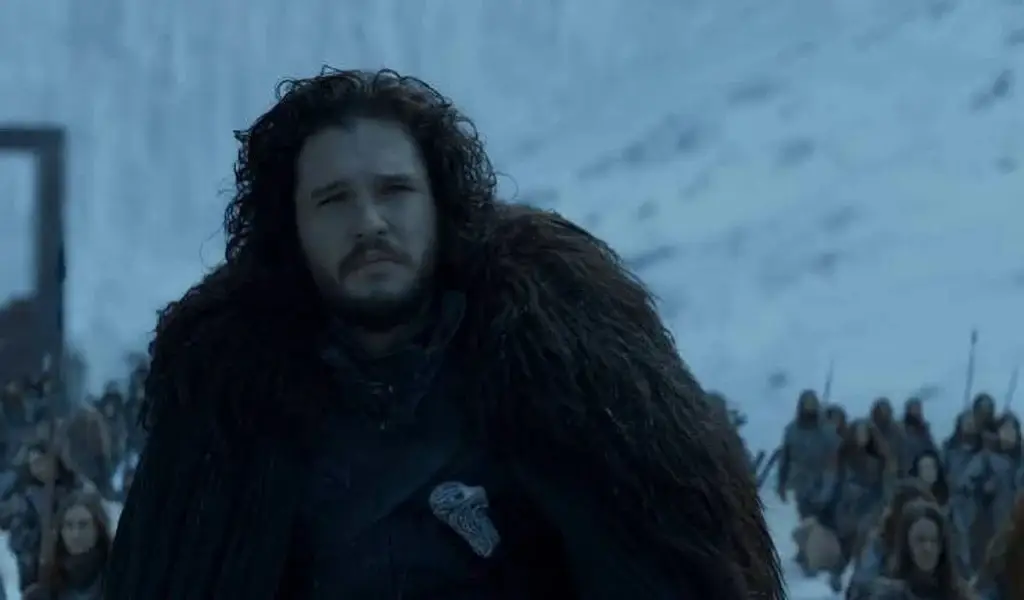
The biggest challenge facing the sequel series will be threading a difficult needle: adding emotional and political texture to Jon’s ending without retconning the foundations the finale already set in stone. The ending itself isn’t going to change, but reshaping the context around certain details could meaningfully improve how audiences view it in hindsight. For the spinoff to really land, it likely needs to strip away some of Jon’s contentment and give him an actual purpose beyond the Wall, rather than leaving him to simply enjoy an easy retirement.
What Kit Harington Thinks Happens to Jon Snow After Game of Thrones
At the official 2022 Game of Thrones convention, Kit Harington, the actor who played Jon Snow, fielded a range of questions about his character’s future. While he kept concrete details about the spinoff under wraps, he did offer insight into how he personally views Jon’s state of mind after the finale. According to Harington, Jon likely believes he got off lightly with Grey Worm’s sentence, even though returning to the Wall represents what Harington described as “the greatest gift and also the greatest curse” (via EW).
Harington went further, suggesting that Jon is far from at peace with his new life. He’s forced to return to a place steeped in personal trauma:
“He’s gotta go back up to the place with all this history and live out his life thinking about how he killed Dany, and […] about Ygritte dying in his arms, and […] how he hung Olly, and live out his life thinking about all of this trauma.”
That perspective complicates the seemingly peaceful final image of Jon walking beyond the Wall. Even if the ending looks content on the surface, Harington’s comments suggest the character is anything but at ease, reinforcing just how much unresolved weight Jon’s ending carries.
The Books Likely Won’t Have This Jon Snow Plot Hole
While the show’s version of Jon’s story left plot holes, George R.R. Martin’s novels still have the opportunity to close that gap. The book series remains unfinished, and the show surpassed the source material years before its own ending aired. The last update readers received about Jon in the novels was his assassination at the hands of his fellow Night’s Watch brothers in A Dance with Dragons. That means Martin still has substantial ground to cover before Jon’s story reaches its conclusion on the page.
Certain plot points are expected to carry over from the show to the books, since Martin provided the series’ writers with key details about the overall ending in advance. Readers can likely expect confirmation that Jon is the son of Rhaegar Targaryen and Lyanna Stark, that he kills Daenerys, and that he eventually returns to the North. The difference will likely lie in the context surrounding that return, which could resolve the frustrations left by the show’s version of events.
The most probable change is that Jon’s return to the Wall will be framed as a personal choice rather than an externally imposed sentence. Jon views his killing of Daenerys as a dishonorable act, regardless of how necessary it may have been, and that guilt is likely to shape his decision. The political landscape Martin has built in the books makes it unlikely that Jon will face formal punishment once a new ruler is in place. That lack of punishment may actually deepen his shame, echoing the way Ned Stark viewed Jaime Lannister’s killing of his own king. Jon may ultimately decide, regardless of his claim to the throne or his place in House Stark, to head beyond the Wall voluntarily. Not to guard against a threat that no longer exists, but as a self-imposed exile from a world he no longer feels he belongs to.
Where Jon Snow’s Story Goes From Here
Jon Snow’s ending in Game of Thrones was emotionally satisfying in isolation but politically incoherent once examined closely. The decision to send him back to a defunct organization, dictated by a departing general with no real authority, left too many questions unanswered. Whether the upcoming spinoff series can add the missing context, or whether Martin’s novels ultimately deliver a more coherent conclusion, remains to be seen. For now, Jon’s fate stands as one of the finale’s most discussed and debated storylines, a reminder that even a satisfying emotional beat can’t fully paper over the cracks left in a story’s logic.